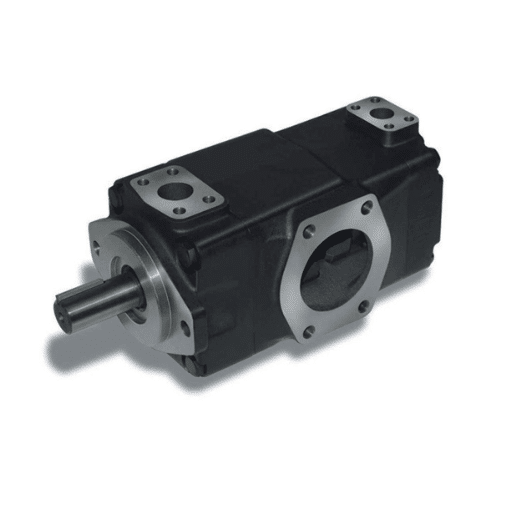
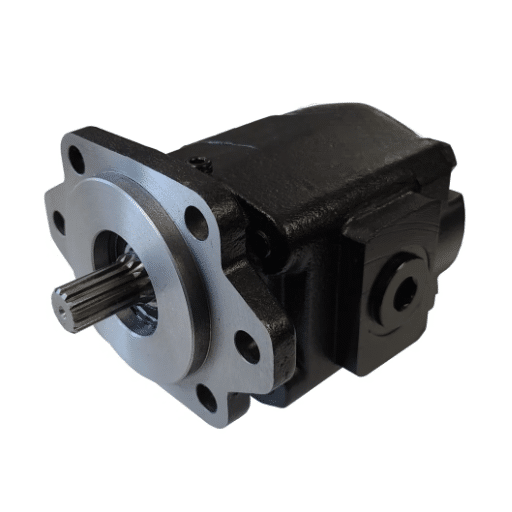
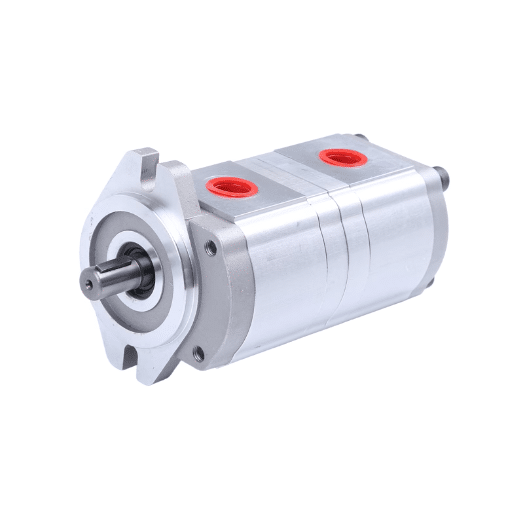
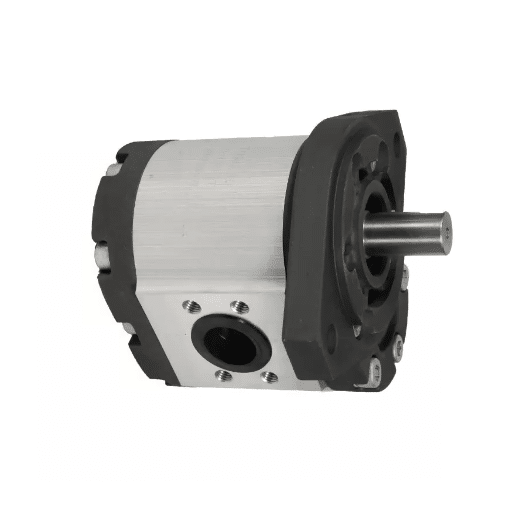
A replacement pump that matches GPM and PSI on paper can still fail on the workbench. When Derek, a firewood supplier in Wisconsin, swapped his log splitter pump last winter, he learned this the hard way. The new unit delivered the right flow and pressure, but the shaft rotation was opposite the engine drive. By the time he returned the pump and sourced the correct one, his crew had lost three production days.
This is exactly why log splitter hydraulic pump replacement is about more than finding a similar model number. Buyers must verify shaft size, rotation, mounting pattern, port type, and hydraulic performance as one system. This guide gives you a practical compatibility framework, repair-vs-replace criteria, and a safe installation overview so you can source the right replacement hydraulic pump for your log splitter the first time.
You will learn how to assess whether a pump is worth repairing, what specifications must align before ordering, how two-stage pumps affect compatibility, and how to install the replacement without damaging seals or components. If you need more information about log splitter hydraulic pumps, please read our complete guide to log splitter hydraulic pumps.
Need help matching a replacement pump to your splitter? Contact LOYAL INDUSTRIAL PTE. LTD. for a compatibility review before you order.
When to Replace vs. Repair a Log Splitter Hydraulic Pump

Hydraulic pumps on log splitters operate under high pressure and repeated cycles. Wear is normal, but not every symptom means the entire pump is scrap. Knowing when to repair and when to replace saves money and reduces unnecessary downtime.
Common Pump Failure Symptoms
The first signs of pump trouble usually appear during operation. A weak ram, slow cycle, or unusual noise tells you the hydraulic circuit is not performing as designed. External leaks from the shaft seal or port fittings are also common indicators. Overheating often points to internal leakage, cavitation, or oil contamination. If the pump whines loudly or loses pressure under load, internal clearances may have increased beyond acceptable limits.
Repairs That Can Extend Pump Life
Some failures are localized. A leaking shaft seal can often be replaced without replacing the whole pump. A sticking relief valve can be cleaned or replaced. Contaminated oil and a clogged suction strainer can cause symptoms that look like pump failure but are actually maintenance issues. In these cases, a targeted repair and fluid service may restore full function.
Replacement Thresholds
Replacement becomes the better option when internal components are damaged. Scored gears, cracked housings, excessive internal leakage, or repeated seal failure after repair usually mean the pump has reached end of life. High-hour commercial units may also be cheaper to replace than to rebuild when downtime cost is factored in. If pressure remains below manufacturer specification after seal and valve service, a new replacement hydraulic pump for the log splitter is the more reliable path.
For a deeper look at pressure-loss diagnostics, see our guide on log splitter hydraulic pump not building pressure.
Log Splitter Hydraulic Pump Compatibility Checklist
Compatibility has four dimensions: hydraulic performance, physical fit, plumbing, and powertrain match. Skip any one of them, and you risk a return, a leak, or a damaged component. To make the best choice, please read our article on the best hydraulic pump for a log splitter.
Hydraulic Specifications
- Flow rate (GPM): Match the original pump GPM or stay within the engine and cylinder limits. A higher GPM pump may cycle faster but can overload a small engine.
- Pressure rating (PSI): Verify working pressure and maximum pressure. Most log splitters operate at 3,000 PSI, with relief settings up to 4,000 PSI.
- Displacement at rated RPM: Displacement determines GPM at a given engine speed. If the replacement pump is rated at a different RPM, actual output changes.
- Two-stage transition pressure: If replacing a two-stage (hi-lo) pump, confirm the transition pressure range so the shift from high-flow to high-pressure occurs at the right point.
Physical Fit
- Shaft diameter and keyway size: Common log splitter pump shafts are 1/2″, 5/8″, 3/4″, or 1″ keyed. The keyway width and depth must match the drive key.
- Rotation direction: Pumps are built for clockwise (CW) or counterclockwise (CCW) rotation. This must match the engine or motor shaft rotation.
- Mounting flange and bolt pattern: SAE A and SAE B flanges are common, but many log splitter pumps use manufacturer-specific bolt patterns. Measure bolt spacing and pilot diameter.
- Overall envelope: Make sure the replacement pump fits within the frame, guard, and hose routing.
Port and Plumbing
- Inlet/outlet port size and type: SAE, NPT, and BSPP threads are not interchangeable. Port size affects flow velocity and pressure drop.
- Suction line diameter: Undersized inlet hoses cause cavitation. Match or exceed the original suction line ID.
- Relief valve setting and location: Some pumps include an integral relief valve; others rely on an external valve. Confirm the system design before ordering.
Power-Train Match
- Engine/motor RPM and horsepower: A pump rated at 3,600 RPM will not deliver rated flow at 540 RPM PTO speed. Match HP using the formula HP = (GPM × PSI) ÷ (1714 × efficiency).
- Coupler or flexible coupling: Check bore size, keyway, and alignment tolerance.
- PTO speed mismatch warning: PTO-driven pumps operate at 540 RPM, not engine speed. A direct-drive pump cannot simply be swapped onto a PTO shaft without a speed-reduction gearbox.
For a complete explanation of pump sizing and engine matching, read our what size hydraulic pump for log splitter guide.
Understanding Two-Stage (Hi-Lo) Pump Compatibility

Most log splitter hydraulic pumps are two-stage, also called hi-lo pumps. They combine a high-flow, low-pressure stage for fast ram approach with a low-flow, high-pressure stage for splitting force. A load-sensing valve switches flow paths when pressure rises to the transition point, typically between 400 and 900 PSI.
Why Two-Stage Pumps Dominate Log Splitters
The two-stage design reduces cycle time without requiring a larger engine. During the unloaded return and approach strokes, the pump moves a large volume of oil at low pressure. When the wedge meets resistance, flow drops and pressure rises. This gives fast cycle speed and high splitting force from the same power source.
What Happens If You Swap a Two-Stage Pump for a Single-Stage Pump
Replacing a two-stage pump with a single-stage gear pump changes system behavior. The single-stage pump may deliver high flow, but it cannot build pressure quickly at that flow rate. The result is a fast but weak ram, especially in hardwood. Conversely, a single-stage piston pump may build pressure but at a much slower cycle speed. For most log splitter hydraulic pump replacement projects, a two-stage pump is the correct choice.
To learn more about how this technology works, visit our article on 2 stage hydraulic pump for log splitter operation and benefits.
Common Log Splitter Pump Shaft, Port, and Mounting Standards
Physical standards vary across manufacturers, but a few dimensions are common enough to use as a starting point. Always confirm with the supplier data sheet before ordering.
Typical Shaft Sizes and Keyways
| Shaft Diameter | Common Keyway | Typical Pump Sizes |
|---|---|---|
| 1/2″ | 1/8″ | Small residential 7–11 GPM |
| 5/8″ | 3/16″ | Mid-range 11–16 GPM |
| 3/4″ | 3/16″ | Standard 16–22 GPM |
| 1″ | 1/4″ | Heavy-duty 22–28 GPM |
Some pumps use a tapered shaft or splined shaft instead of a straight keyed shaft. Tapered shafts require a matching hub and correct torque, while splined shafts require matching spline count and diameter.
Common Port Sizes
- Inlet: 3/4″ NPT or 1″ NPT on most residential and commercial units.
- Outlet: 1/2″ NPT or 3/4″ NPT depending on GPM and pressure.
- SAE O-ring boss ports are also common on higher-quality pumps. Mixing thread types without an adapter causes leaks or damaged threads.
Mounting Patterns
SAE A and SAE B two-bolt and four-bolt flanges are widely used, but many log splitter pumps use a custom foot or flange mount. Measure the bolt circle, pilot diameter, and pump body height before ordering a replacement.
Log Splitter Pump Cross-Reference: Popular Models and Specs

The table below lists representative specifications for common replacement pump categories. Exact dimensions and ratings vary by manufacturer, so treat this as a compatibility starting point rather than a substitute for the supplier data sheet.
| Pump Category | Typical GPM | Working PSI | Shaft | Rotation | Common Applications |
|---|---|---|---|---|---|
| Small residential two-stage | 7–11 | 3,000 | 1/2″–5/8″ keyed | CW / CCW | Light homeowner splitters, 5.5–6.5 HP |
| Mid-range two-stage | 13–16 | 3,000–3,500 | 5/8″–3/4″ keyed | CW / CCW | Farm and prosumer splitters, 8–12 HP |
| Commercial two-stage | 18–22 | 3,000–4,000 | 3/4″–1″ keyed | CW / CCW | High-volume processors, 9–13 HP |
| Extreme-duty two-stage | 25–28 | 3,000–4,000 | 1″ keyed | CW / CCW | Production firewood operations, 15+ HP |
| 12V DC hydraulic pump | 1.5–3.5 | 1,500–2,500 | N/A | N/A | Portable electric splitters, light occasional use |
When replacing a branded pump — such as Concentric, Chief, RuggedMade, Northern Hydraulics, Bucher Wuxi, or VEVOR — compare the original tag or manual against the replacement data sheet. Look for displacement code, shaft code, rotation code, and port code.
Step-by-Step Log Splitter Hydraulic Pump Replacement Overview
Replacing a pump safely requires depressurization, containment, and careful reassembly. The following overview applies to most open-center log splitter systems.
Pre-Work Safety
Before touching any fitting, shut down the engine and disconnect the spark plug wire or power source. Move the control valve through all positions to release stored pressure. Place a drain pan under the pump and hoses. Hydraulic fluid under pressure can inject through skin at pressures as low as 100 PSI, so wear safety glasses and gloves.
Pump Removal
- Disconnect the suction hose from the reservoir side and keep it elevated to prevent siphoning.
- Disconnect the pressure outlet fitting using two wrenches to avoid twisting the hose.
- Remove the drive coupling or pulley from the pump shaft.
- Remove the mounting bolts and slide the pump straight off the shaft.
- Retain the pump shaft key. Transfer it to the replacement pump only if the new pump does not include a matched key.
Inspection Before Reassembly
Check the mounting surface for cracks or distortion. Inspect the flexible coupling for wear, and replace cracked inserts. Replace O-rings on the hose fittings and pump ports. Confirm the replacement pump rotation matches the engine. Verify port orientation so hoses route without strain.
Installation and Startup
- Mount the replacement pump and torque the bolts evenly.
- Install the coupling with proper alignment.
- Connect suction and pressure lines using compatible fittings and thread sealant.
- Fill the reservoir with the correct hydraulic oil.
- Crack the fittings slightly and cycle the valve to bleed trapped air.
- Start the engine at low speed and check for leaks.
- Set the relief valve to the manufacturer’s specified pressure.
For detailed maintenance intervals and oil selection, see our log splitter hydraulic pump maintenance schedule.
Sourcing a Replacement Hydraulic Pump: What to Look For

Not all replacement pumps are equal. When sourcing a replacement hydraulic pump for a log splitter, evaluate the supplier on technical support and quality assurance, not just price.
Technical Documentation
A reliable supplier provides a full data sheet with GPM curves, pressure ratings, displacement, shaft dimensions, rotation, port sizes, and mounting drawings. Without this information, compatibility is guesswork.
Manufacturing Standards
Look for ISO-standard production, multi-stage inspection, and pressure testing. Industrial-grade quality control reduces failure rates and supports long-term reliability.
Customization and OEM Support
If you are building or rebranding splitters, choose a supplier that supports OEM customization, private labeling, and bulk supply. This ensures consistent fit across production runs.
After-Sales Support
Replacement compatibility questions are common. A supplier with responsive engineering support can help you confirm shaft size, rotation, and port configuration before you place the order.
If you need a complete sourcing checklist, read our log splitter hydraulic pump kit guide.
LOYAL INDUSTRIAL PTE. LTD. supplies replacement hydraulic pumps for log splitters with standardized manufacturing, technical documentation, and global export capability. Request a technical specification sheet or cross-reference support for your specific splitter model.
Frequently Asked Questions
Are log splitter hydraulic pumps interchangeable?
Not automatically. Pumps must match GPM, PSI, shaft size, rotation, mounting pattern, port type, and engine or motor RPM. Always verify physical and hydraulic compatibility before ordering.
Can I use a higher GPM pump on my log splitter?
Only if the engine horsepower, cylinder size, and reservoir capacity can support it. A higher GPM pump cycles faster but demands more power and may overheat the oil if the tank is too small.
What happens if the rotation direction is wrong?
The pump will not build pressure and may be damaged within seconds. Always confirm clockwise or counterclockwise rotation against the engine drive rotation.
How do I know what shaft size my log splitter pump has?
Measure the pump shaft diameter with calipers and check the keyway width. Compare these dimensions to the replacement pump data sheet.
Can I replace a two-stage pump with a single-stage pump?
You can, but performance will change. Single-stage gear pumps deliver high flow at low pressure, which reduces splitting force. Single-stage piston pumps build pressure but cycle slowly. Most log splitters are designed around two-stage operation.
Why is my new replacement pump leaking from the shaft seal?
Possible causes include dry starting without oil, incorrect rotation, overpressure, or contamination on the shaft during installation. Prime the pump before startup and verify relief valve setting.
Should I replace O-rings and couplers when replacing the pump?
Yes. Old O-rings harden and lose elasticity. Worn couplers can cause misalignment and premature seal wear. Replacing them during pump replacement reduces comebacks.
How do I set the relief valve after pump replacement?
Start with the manufacturer’s recommended setting, usually 3,000 PSI for residential pumps and up to 4,000 PSI for heavy-duty units. Use a pressure gauge and adjust gradually while the system is under load.
Conclusion
A successful log splitter hydraulic pump replacement depends on more than matching the model number. Buyers must verify hydraulic performance, shaft size, rotation, mounting pattern, port type, and powertrain compatibility as one system. Skipping any of these checks leads to returns, leaks, or damage.
To summarize:
- Repair seal, valve, or contamination issues when possible; replace the pump when internal damage or repeated failure occurs.
- Use a structured compatibility checklist covering hydraulic specs, physical fit, plumbing, and powertrain match.
- Confirm two-stage operation and transition pressure for normal log splitter performance.
- Measure shaft diameter, keyway, rotation, and port size before ordering.
- Source from suppliers that provide technical data sheets, quality control, and engineering support.
If you are unsure which replacement hydraulic pump fits your log splitter, LOYAL INDUSTRIAL PTE. LTD. can help. Contact us for a compatibility review and a customized replacement pump recommendation.