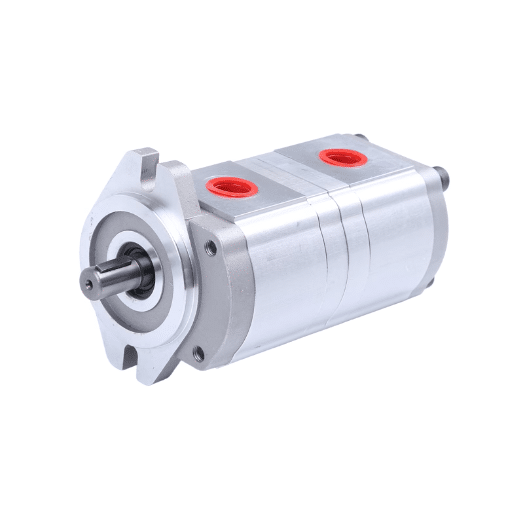
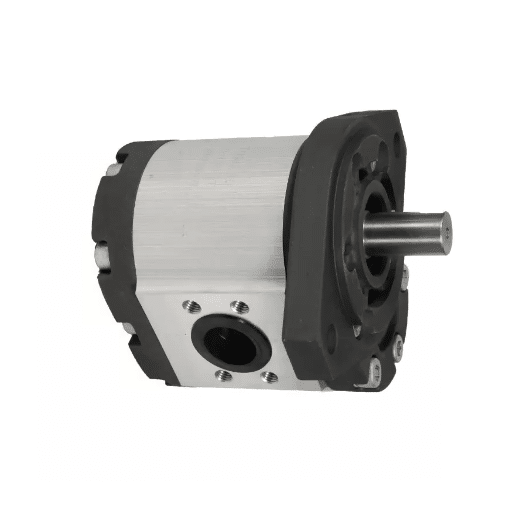
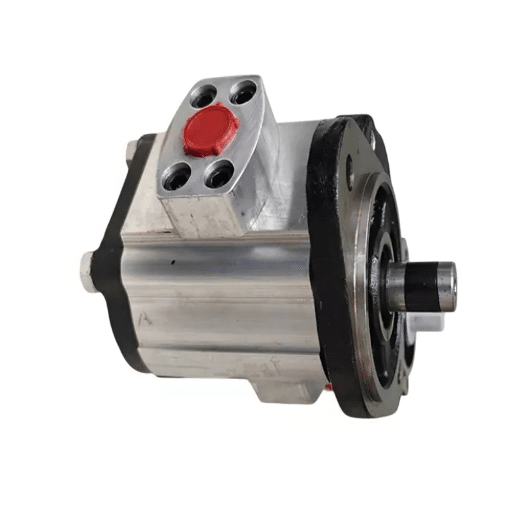
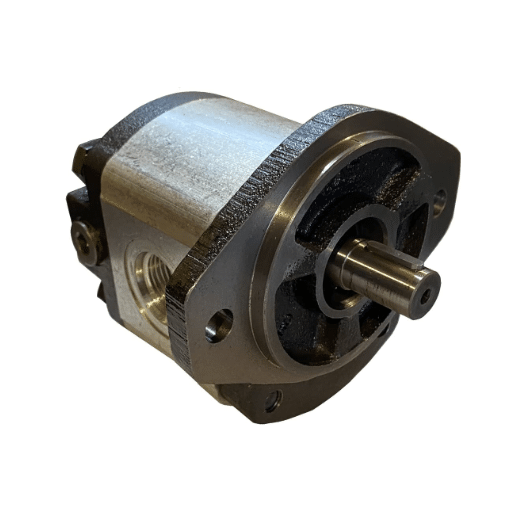
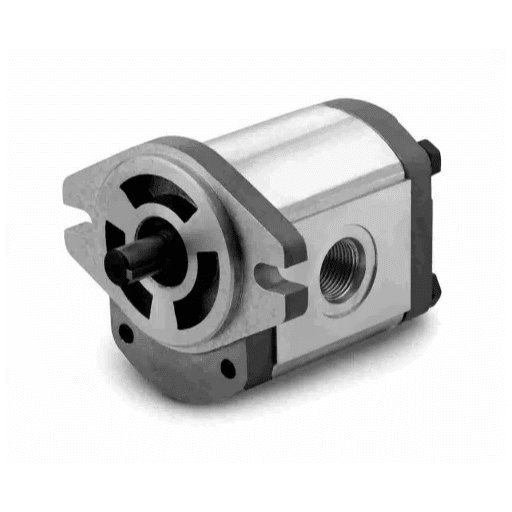
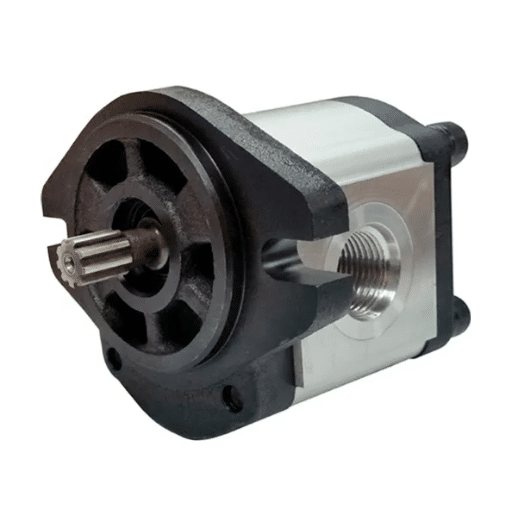
Mike Chen pushed his 12-truck landscaping fleet hard through the Texas summer. The work was steady, the contracts were profitable, and the hydraulics seemed fine.
He decided to stretch the hydraulic filter changes from 500 hours to 1,000 hours to save on shop time. By August, three pumps had failed in the same week. The bill came to 7,500 in emergency repairs, plus missed jobs that cost another 4,000 in penalties. The contamination in those filters had been visible for months.
Mike couldn’t believe the math. Skipping a 30 filter change had cost him more than 11,000.
That single decision wiped out a full year of maintenance savings. Stories like Mike’s play out in fleet yards every season because most dump truck hydraulic system maintenance is treated as a checklist item instead of a contamination prevention program. It doesn’t have to be that way.
This guide delivers a complete dump truck preventive maintenance checklist and hour-based schedule for dump truck hydraulic pump maintenance that treats contamination as the enemy it is. You’ll get specific intervals from daily pre-shift checks to biennial overhauls, a fluid condition decoder based on ISO 4406 cleanliness standards, and seasonal viscosity strategies that protect pumps in both sub-zero winters and tropical heat. Whether you’re running a three-truck landscaping crew or a forty-unit construction fleet, the protocols in this article translate directly into fewer breakdowns and lower lifetime hydraulic costs.
New to dump truck hydraulics? Start with our complete dump truck hydraulic system guide for component-level architecture before you build your maintenance plan.
Why Hydraulic Maintenance Is a Fleet Profitability Issue

Dump truck hydraulics operate under extreme load cycles. A single bed raised on a loaded 30-ton truck can demand 2,000 to 2,500 PSI from the pump. Repeat that forty times per shift, five days per week, and the math gets expensive fast when something fails. You don’t need a spreadsheet to see where this leads.
The True Cost of a Hydraulic Failure
A basic fluid and filter service costs 400 to 700 per truck and takes three to four hours in the shop. A full pump rebuild runs 800 to 2,500. A new aftermarket pump costs 1,200 to 3,500 before labor. Add the revenue loss of $150 or more per hour for every truck that sits idle, and a single preventable failure can erase the profit margin on an entire week of work. That’s not a scare tactic. It’s fleet math.
According to Fleet Rabbit, fleets with disciplined preventive maintenance programs reduce overall operating costs by 15% to 30% and cut unplanned downtime by 35% or more. The return isn’t theoretical. It shows up in fewer emergency shop visits, longer component life, and predictable budgeting.
Contamination: The Hidden Enemy
Industry data consistently shows that 70% to 85% of all premature hydraulic component damage traces back to contaminated fluid. Particulate matter scores cylinder walls. Water causes oxidation and sludge. Air bubbles lead to cavitation that’ll destroy pump internals.
The most overlooked fact is that new hydraulic oil often isn’t clean enough for sensitive systems. Many bulk deliveries arrive with an ISO 4406 cleanliness code of 21/19/16, which is too dirty for modern pumps and valves. The target for mobile heavy equipment is 17/15/12. Without filtration at delivery, you’re introducing contamination the moment you top off the reservoir.
When contamination builds up, the symptoms show up as the exact failures covered in our dump truck hydraulic pump troubleshooting guide. Slow lift, overheating, and erratic movement aren’t random problems. They’re the predictable result of skipped maintenance intervals.
Dump Truck Preventive Maintenance Checklist and Hour-Based Schedule
Every dump truck hydraulic system maintenance program needs a tiered schedule that matches task frequency to component wear rates. The table below consolidates the tasks every fleet technician should track. Print it. Laminate it. Tape it to the toolbox.
Hour-Based Maintenance Matrix
| Interval | Hydraulic Tasks | Estimated Time |
|---|---|---|
| Daily / Pre-Shift (Every 10 hrs) | Check fluid level (bed lowered, system cool). Inspect hoses, fittings, and cylinders for leaks. Test lift/lower cycle. Wipe cylinder rods before lowering. Check the breather/air filter. | 5 min |
| Weekly (50-100 hrs) | Detailed hose inspection (cracks, bulges, abrasion). Inspect cylinder rods for scoring. Check PTO mounting bolt torque. Grease pivot points and PTO splines. | 15 min |
| Monthly (250 hrs) | Inspect filters for clogging or metallic debris. Listen for abnormal pump, PTO, or coupling noise. Examine cylinder piston rods. Inspect subframe welds and mounts. | 30 min |
| Quarterly (500 hrs) | Replace all hydraulic filters (return, pressure, case drain). Sample fluid for lab analysis. Test system pressure under load. Check fluid color, odor, and consistency. | 3-4 hrs |
| Annually (1,000-2,000 hrs) | Full hydraulic fluid change. Flush reservoir and clean suction strainers. Replace reservoir breather cap/element. Complete system pressure test. | 4-6 hrs |
| Biennial (2,000+ hrs) | Replace all high-pressure hoses. Rebuild or replace worn cylinders, pumps, and valves. Major system overhaul based on hour meter. | 8-12 hrs |
Daily / Pre-Shift Checks (Every 10 Operating Hours)
Check the reservoir fluid level with the hoist cylinders fully retracted, the truck on level ground, and the system cool. A hot reading gives a false high. Visually inspect every hose, fitting, and cylinder seal for active leaks or seepage.
Run one complete lift-and-lower cycle before the driver leaves the yard. Listen for cavitation, knocking, or abnormal motor loading during the cycle.
Wipe down hydraulic cylinder rods with a clean, lint-free cloth before lowering the bed. Dirt on the rod gets pulled past the wiper seal and becomes particulate contamination in the fluid. Check the hydraulic tank breather or air filter element for clogging, especially in dusty environments.
Weekly Checks (50 to 100 Hours)
Inspect hoses in detail. Look for cracks, bulges, abrasion from rubbing against frame rails, and ballooning under pressure. A hose that has swelled beyond its original diameter is a blowout waiting to happen. Inspect cylinder rods for scoring, pitting, or corrosion that’ll destroy rod seals.
Check PTO mounting bolt torque to spec. Loose bolts cause misalignment that destroys pump drive couplings. Grease all dump body pivot pins, hinge points, and tailgate hinges. If your truck uses a wet kit, inspect the pump-to-PTO driveline alignment and grease the universal joints at this interval. If the PTO uses a dry spline connection, remove the pump, clean the mating shafts, and re-grease them every two to three months to prevent fretting corrosion. For a deep dive into wet kit selection, see our dump truck wet kit configuration guide.
Monthly Checks (250 Hours)
Pull and inspect the hydraulic filters. Metallic debris on the filter pleats is an early warning of internal pump or cylinder wear. Listen to the PTO hydraulic pump during a loaded lift cycle. Whining, grinding, or knocking indicates cavitation, bearing wear, or misalignment. Examine cylinder piston rods closely for damage, and inspect dump body subframe welds for stress cracks.
Quarterly Service (500 Hours)
Replace all hydraulic filters at this interval. That includes the return filter, the pressure filter, and the case drain filter that most technicians forget. The case drain filter protects the hydraulic power unit‘s internal lubrication circuit. A clogged case drain filter forces hot, dirty oil back through the pump bearings. It’s a 15-part process that prevents 2,500 failures. Sticking to this hydraulic filter replacement interval prevents the contamination that destroys pumps and valves.
Take a fluid sample and send it to a lab for analysis. Trend the results over time. The lab report will quantify water content, metal particle counts, and viscosity degradation. Use those numbers to justify extending drain intervals in clean operations or shortening them in harsh environments.
Test system pressure under a loaded lift condition. Compare the gauge reading to the OEM specification, typically 2,000 to 2,500 PSI for standard dump truck systems. Pressure that has dropped more than 10% below spec indicates pump wear, internal leakage, or a failing relief valve.
Annual Service (1,000 to 2,000 Hours)
Drain the entire hydraulic system and refill with fresh fluid that meets the OEM specification. The standard hydraulic fluid change interval for dump truck fleets is 1,000 hours or annually, whichever comes first. Flush the reservoir and clean the suction strainer. A suction strainer clogged with debris restricts inlet flow and causes pump cavitation. Replace the reservoir breather cap or element. Over time, breather filters become saturated with dust and actually introduce contamination instead of preventing it. That’s backwards, but it happens.
Biennial Overhaul (2,000+ Hours)
Replace all high-pressure hoses regardless of visible condition. Rubber hose compounds degrade from the inside out due to heat cycling and oxidation. A hose that looks fine on the outside can have a weakened liner that fails under peak pressure.
Rebuild or replace hydraulic cylinders based on rod seal leakage tests. Evaluate the pump for overhaul or replacement based on pressure output, case drain flow, and noise levels.
Hydraulic Fluid Management: The Core of Prevention

Fluid is the lifeblood of the hydraulic system. Its condition determines whether the pump, cylinders, and valves survive their design life or fail prematurely. Get the fluid wrong, and you’re buying pumps sooner than you should.
Choosing the Right Fluid
Most dump truck hydraulic systems use ISO 46 AW (Anti-Wear) mineral oil as the baseline specification. The AW additive package protects pump vanes, pistons, and gear teeth under boundary lubrication conditions. Never mix mineral oil with synthetic fluid or water-based hydraulic fluid. Incompatible chemistries create emulsions, sludge, and seal degradation. You can’t undo that kind of contamination without a complete system flush.
Always follow the OEM specification first. Then adjust the viscosity for the climate. The wrong viscosity causes more damage than the wrong brand. You can’t go wrong if you start with the manufacturer’s recommendation.
Hydraulic Fluid Change Interval for Dump Trucks
For standard-duty operations, the hydraulic fluid change interval for dump truck fleets should be 1,000 operating hours or annually, whichever comes first. In severe-duty environments such as quarries, demolition sites, or high-dust agricultural work, shorten the interval to 500 hours. Oil analysis is the only reliable way to optimize these numbers for your specific fleet. A clean operation with good filtration may safely extend to 1,500 hours. A dirty operation may need changes at 300 hours.
If the fluid appears discolored, milky, foamy, or has a burnt odor, change it immediately regardless of the hour count. Those symptoms indicate active contamination or thermal breakdown that’ll destroy components if left unaddressed.
Fluid Condition Decoder
| Appearance / Smell | Likely Cause | Required Action |
|---|---|---|
| Milky or cloudy | Water contamination (condensation, coolant leak, submersion) | Change fluid immediately. Identify and seal water entry point. |
| Black or dark brown | Thermal oxidation from overheating | Change fluid. Check for restricted cooler, blocked filter, or overworked pump. |
| Burnt odor | Severe overheating; additive breakdown | Change fluid and filters. Inspect pump and valves for heat damage. |
| Foamy or aerated | Air ingestion (low fluid level, leaking suction line, bad shaft seal) | Add fluid to proper level. Inspect suction line and pump shaft seal. |
| Metallic sheen or particles | Internal component wear (pump, cylinder, valve) | Sample for lab analysis. Inspect filter debris. Plan component inspection. |
| Normal: clear amber | Healthy fluid | Continue monitoring. No action required. |
ISO 4406 Cleanliness Standards
ISO 4406 is the international standard for quantifying particulate contamination in hydraulic fluid. The code uses three numbers, such as 18/16/13. Each number represents the particle count per milliliter at a specific size threshold.
The first number counts particles 4 microns and larger. The second counts particles 6 microns and larger. The third counts particles 14 microns and larger. Each single-digit increase roughly doubles the contamination level. A code of 21/19/16 contains approximately eight times more damaging particles than 18/16/13.
Seasonal Dump Truck Hydraulic System Maintenance

Ambient temperature changes the viscosity of hydraulic fluid more than most fleet managers realize. A fluid that performs perfectly at 80 degrees Fahrenheit becomes too thick to flow properly at 10 degrees below zero. The same fluid thins out and loses lubricating film strength at 100 degrees Fahrenheit.
Cold Weather / Winter Preparation
Standard ISO 46 AW hydraulic oil thickens dramatically below 32 degrees Fahrenheit (0 degrees Celsius). At 5 degrees Fahrenheit (-15 degrees Celsius), it may not flow fast enough to prevent pump cavitation on cold startup. The pump starves for oil, creates vacuum bubbles, and destroys its own internals within minutes. It doesn’t take long.
A construction fleet in Minnesota learned this the hard way. They ran ISO VG 46 year-round. On a January morning at -10 degrees Fahrenheit, a driver started his truck and immediately raised a loaded bed. The pump cavitated so severely that it locked up before the bed reached half height. The replacement cost was 2,800. The fix was a 40 drum of ISO VG 22 winter fluid. That’s a $2,760 lesson in viscosity management.
For sub-zero operations, switch to ISO VG 22 or ISO VG 32 hydraulic oil in late autumn. In extreme cold below 0 degrees Fahrenheit, use Arctic-grade hydraulic fluid with a pour point below -40 degrees Celsius.
High-Viscosity-Index (HVI) multigrade fluids are the best option for fleets that experience wide seasonal swings. They maintain stable viscosity across a broad temperature range, eliminating the need for seasonal fluid swaps.
Allow the system to idle at low pressure for five to ten minutes before heavy cycling in cold weather. This circulates the fluid and brings it up to operating temperature. Inspect rubber seals and hoses for cold brittleness before winter begins. Replace any components that’ve hardened or cracked.
Tropical Heat / Summer Operations
High ambient temperatures above 85 degrees Fahrenheit (30 degrees Celsius) cause hydraulic fluid to thin out. The lubricating film between moving parts becomes too thin, leading to metal-to-metal contact and accelerated wear. In tropical climates where ambient temperatures exceed 104 degrees Fahrenheit (40 degrees Celsius), use ISO VG 46 or ISO VG 68 fluid to maintain adequate film strength.
Monitor hydraulic oil temperature actively. Most dump truck systems should operate below 160 degrees Fahrenheit (71 degrees Celsius). If the fluid temperature routinely exceeds 180 degrees Fahrenheit (82 degrees Celsius), inspect the oil cooler for debris blockage and verify the cooling fan operation. Increase automatic grease cycle frequency in extreme heat. High temperatures thin grease and cause it to run out of pivot points faster than in moderate conditions. It’s a small adjustment that prevents big wear.
Seasonal Viscosity Selection Guide
| Ambient Temperature Range | Recommended ISO VG Grade | Application Notes |
|---|---|---|
| Below 0 ℉ (-18 °C) | VG 10, 15, or 22 | Arctic-grade; very low pour point |
| 0 ℉ to 32 ℉ (-18 °C to 0 °C) | VG 22 or 32 | Cold-start protection; high-VI preferred |
| 32 ℉ to 85 ℉ (0 °C to 30 °C) | VG 32 or 46 | Standard all-season operation |
| 85 ℉ to 104 ℉ (30 °C to 40 °C) | VG 46 or 68 | Hot climate; maintains film strength |
| Above 104 ℉ (40 °C) or wide seasonal swings | Multigrade HVI oil | Stable viscosity across broad range |
Contamination Prevention Protocol for Dump Truck Hydraulic System Maintenance
If contamination causes 70% to 85% of hydraulic failures, then contamination prevention is the single highest-ROI activity in any dump truck hydraulic system maintenance program. The framework is simple: control every point where dirt, water, or air can enter the system.
Entry Point Control
The reservoir breather is the most common contamination entry point. As the fluid level rises and falls during lift cycles, air moves in and out of the tank. A standard breather admits atmospheric dust and moisture.
Upgrade to a desiccant breather that absorbs moisture and filters incoming air to ISO standards. Replace desiccant breathers when the indicator changes color.
The fill port is the second major entry point. Always clean the area around the fill cap before opening it. Verify that the fill-port screen is intact and undamaged. Use sealed containers and clean funnels when adding fluid. Never use a funnel that has been sitting open on a workbench.
Cylinder rod wiper seals are the third line of defense. They scrape dirt and debris off the rod before it retracts into the cylinder barrel. A damaged wiper seal pulls grit directly into the fluid. The daily wipe-down before lowering the bed is a zero-cost habit that extends seal life by months.
Hydraulic Filter Replacement Interval and Filtration Strategy
Change hydraulic filters more frequently than you change fluid. Filters are cheap insurance. A standard return filter element costs 15 to 40. A pump rebuild costs 800 to 2,500. The math isn’t complicated.
The hydraulic filter replacement interval for return filters is every 500 hours. Inspect and clean the suction strainer at every fluid change. The suction strainer protects the pump inlet from large debris. If it clogs, the pump starves and cavitates. Replace the case drain filter quarterly. It’s the most commonly overlooked filter in the system, and its failure leads directly to pump bearing damage.
Position high-efficiency filter elements at the points where contamination causes the most harm. The return line filter is the most critical because it’s the last line of defense before fluid re-enters the reservoir.
Oil Analysis Program
For fleets with high utilization, quarterly oil sampling is the most cost-effective diagnostic tool available. A standard analysis panel costs 25 to 50 per sample and returns data on water content, metal wear particles, viscosity, acid number, and ISO 4406 particle count.
A Pennsylvania aggregate quarry implemented quarterly ISO 4406 oil analysis across fourteen dump trucks and reduced hydraulic-related downtime by 40% within eighteen months. The lab reports caught three pumps in early wear stages before they failed. The quarry replaced the pumps during scheduled PM windows instead of on the side of a haul road. The program paid for itself in the first avoided emergency repair. You can’t argue with that ROI.
Trend the data over time. A single sample is a snapshot. A trend line of increasing particle counts or rising iron levels is an early warning system that lets you schedule repairs instead of reacting to breakdowns.
Fleet Management Best Practices

Integrating Hydraulics into Engine PM
Integrating dump truck hydraulic pump maintenance into your existing PM workflow reduces tracking overhead and catches problems early. Align hydraulic filter changes with engine oil change intervals. Most heavy-duty trucks receive PM service every 15,000 to 25,000 miles. If you schedule hydraulic filter replacement at the same time, you’ll eliminate a separate tracking system and ensure nothing gets missed.
Standardize the hydraulic fluid specification across the entire fleet. One ISO grade, one additive package, one supplier. Mixed fluid chemistry causes compatibility problems that are expensive to diagnose and fix. Use a digital maintenance tracking system to log PTO engagement hours, lift cycle counts, and hydraulic service history. The data reveals patterns. If the same truck needs seal replacements every three months, the root cause is probably contamination or overpressure, not bad luck.
Operator Training Points
Operators are the first line of defense. Train them to avoid sudden starts and stops during lift and lower cycles. Jerky operation creates pressure spikes that stress hoses, fittings, and seals. Never overload the bed beyond the hydraulic system capacity. The pump and cylinders are sized for a specific maximum load. Exceeding that load accelerates wear and invites failure. It’s the easiest mistake to prevent.
In cold weather, operators must allow the system to warm up before heavy cycling. A pump that’s forced to lift a full load with cold, thick fluid works three times harder than it should. Require operators to report slow lift speeds, unusual noises, or visible leaks immediately. A reported slow lift on Monday can become a pump replacement on Friday if it’s ignored.
Repair vs. Replace Thresholds
Establish clear economic thresholds for pump decisions. As a general rule, repair a pump when the estimated cost is below $1,200. Replace the pump when the repair estimate exceeds 50% of the cost of a new aftermarket unit. If a pump has failed more than twice in twelve months, replace it. Recurring failures indicate internal damage that repairs can’t fully address.
For critical fleets where downtime is unacceptable, maintain a relationship with a mobile hydraulic repair service or keep a spare pump in inventory. A one-hour pump swap beats a three-day wait for parts. That’s the difference between a hiccup and a crisis.
Need guidance on field repair procedures? Our dump truck hydraulic pump repair guide covers seal replacement, coupler repair, and rebuild-versus-replace decision trees.
Frequently Asked Questions
How often should hydraulic fluid be changed in a dump truck?
For standard-duty dump trucks, change hydraulic fluid every 1,000 operating hours or annually, whichever comes first. The standard hydraulic fluid change interval dump truck operators should follow is 1,000 hours for normal duty and 500 hours for severe-duty conditions such as quarries, mining, or high-dust construction sites. Oil analysis is the most accurate method for optimizing the interval for your specific operating conditions. You can’t beat lab data for interval decisions.
What are the signs that a hydraulic filter is clogged?
Common symptoms of a clogged hydraulic filter include slow or weak dump bed lifting, a whining or buzzing noise from the pump caused by restricted inlet flow, hydraulic system overheating, and jerky or unstable bed movement. Some systems have a differential pressure indicator that pops up or changes color when the filter is restricted.
Why is my dump truck lifting slowly or weakly?
Slow or weak lifting typically indicates a low hydraulic fluid level, a clogged filter, air in the system, worn pump internals, or incorrect fluid viscosity for the ambient temperature. Start with the zero-cost checks: fluid level, filter condition, and fluid color. If those are normal, perform a pump output pressure test with a gauge.
What hydraulic fluid should I use in my dump truck?
Most dump trucks use ISO 46 AW (Anti-Wear) mineral oil as the baseline. For cold climates below 32 degrees Fahrenheit, switch to ISO VG 22 or 32. For tropical heat above 104 degrees Fahrenheit, use ISO VG 46 or 68. Always follow the OEM specification first, then adjust viscosity for the climate. Never mix mineral and synthetic fluids.
How do I prevent hydraulic contamination?
Prevent contamination by controlling the three main entry points. Install desiccant breather filters on the reservoir. Clean the fill port area before adding fluid and use sealed containers. Wipe down cylinder rods before retracting them. Change filters on schedule, filter new oil before adding it to the system, and implement quarterly oil analysis for high-utilization fleets.
Conclusion
Dump truck hydraulic system maintenance isn’t a collection of isolated tasks. It’s a contamination prevention program that connects daily habits, hour-based schedules, fluid chemistry, and seasonal adaptation into a single strategy.
The key takeaways are simple. Change hydraulic filters every 500 hours without exception. Follow the hydraulic fluid change interval dump truck OEMs recommend, and never stretch the hydraulic filter replacement interval beyond 500 hours. Sample and analyze fluid quarterly if your trucks run hard. Match fluid viscosity to ambient temperature. Control contamination at the three entry points: breather, fill port, and cylinder rods. Train operators to treat the hydraulic system as a precision component, not an afterthought. They’ll thank you when the bed lifts smoothly at 5 AM on a Monday.
The fleets that get this right don’t just avoid breakdowns. They operate with predictable costs, longer component life, and higher resale values. The $400 you spend on a scheduled fluid and filter service is always cheaper than the $2,500 you spend on an emergency pump rebuild plus the revenue you lose while the truck sits idle.
Need help selecting replacement pumps or components for your fleet? Contact LOYAL INDUSTRIAL PTE. LTD. for technical specifications, compatibility guidance, and bulk fleet pricing on dump truck hydraulic pumps, cylinders, and power units.