A dump truck without a hydraulic wet kit is just an expensive hauler with a fixed bed. In 2024, a fleet manager in Ohio named Mike Torres learned this the hard way. His construction company had purchased three used Kenworth T880s at auction, each missing a wet kit. Torres assumed he could install basic single-line systems and return the trucks to service within a week. Two months later, he had spent $18,000 on incompatible pumps, incorrect PTO ratios, and repeated labor costs. The problem was not the trucks. It was that no one on his team understood how to spec a dump truck wet kit from the component level.
If you manage a fleet, build truck bodies, or source hydraulic components, you have probably faced a version of this problem. Wet kits look simple from the outside. They are not. The wrong pump flow rate, the wrong reservoir size, or the wrong line configuration can turn a 6,000 installation into a 15,000 headache. This guide breaks down everything you need to know about dump truck wet kits: what they are, how they work, how to size them, what they cost, and how to source the right components for a wet kit for dump truck applications.
You will learn the differences between single-line, dual-line, and three-line wet kits. You will see how to calculate pump GPM requirements for your specific dump body. You will get a 2024-2025 cost breakdown, a maintenance schedule, and a troubleshooting table that pinpoints problems fast. Whether you are installing your first wet kit or standardizing components across a mixed fleet, this guide gives you the technical foundation to make the right decision.
For a complete breakdown of how hydraulic systems transmit power across industrial machinery, see our Dump Truck Hydraulic Pump guide.
What Is a Dump Truck Wet Kit?

A dump truck wet kit is a complete hydraulic system mounted on a truck chassis that uses the engine’s power to operate external equipment. The term “wet” refers to hydraulic fluid. Unlike mechanical or electrical power take-off systems, a wet kit relies on pressurized oil to do the work.
The system follows a simple loop. The Power Take-Off, or PTO, mounts to the truck transmission and converts engine power into mechanical rotation. That rotation drives a hydraulic pump, which draws oil from a reservoir and pressurizes it. The pressurized fluid travels through hoses to a control valve, which directs it into a hydraulic cylinder. The cylinder extends, lifts the dump bed, and retracts to lower it. Fluid then returns to the reservoir, cools, and cycles again.
Wet kits power more than dump bodies. Fleet operators use them for end-dump trailers, walking-floor trailers, lowboy goosenecks, roll-off containers, and hydraulic winches. Any application that needs pressurized hydraulic force on a truck chassis needs a wet kit.
Core Components of a Dump Truck Wet Kit
Every dump truck wet kit contains seven core components. Understanding each one helps you spec the system correctly and spot compatibility issues before they become expensive problems.
Power Take-Off (PTO)
The PTO is the mechanical interface between the truck engine and the hydraulic pump. It bolts to the transmission case and engages when the operator activates a cab-mounted switch. PTOs come in 6-bolt, 8-bolt, and 10-bolt mounting patterns. The bolt pattern must match the transmission. PTOs also vary by duty rating: light-duty for occasional use, medium-duty for standard dump cycles, and heavy-duty for continuous-operation applications like walking floors.
For PTO selection guidelines and installation procedures, see our dump truck PTO hydraulic pump guide.
Hydraulic Pump
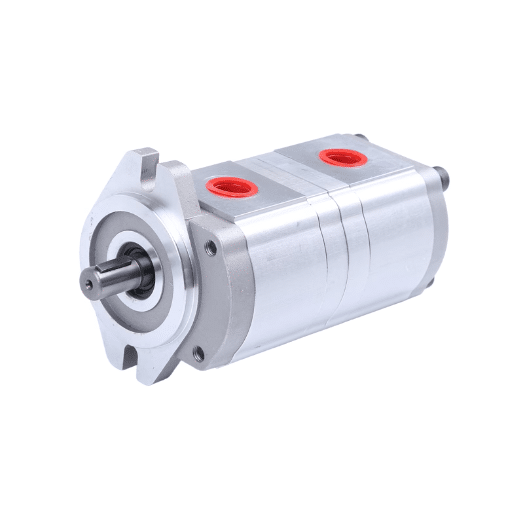
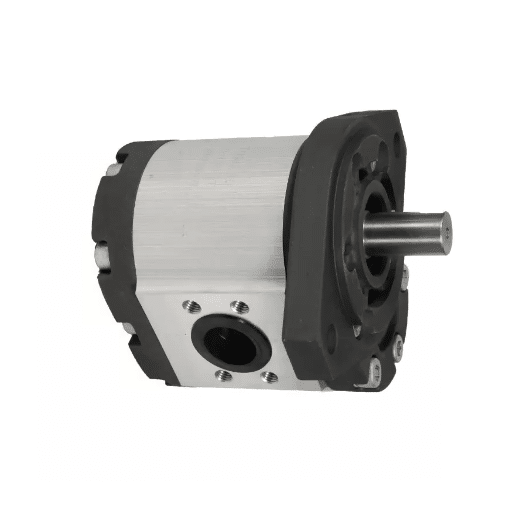
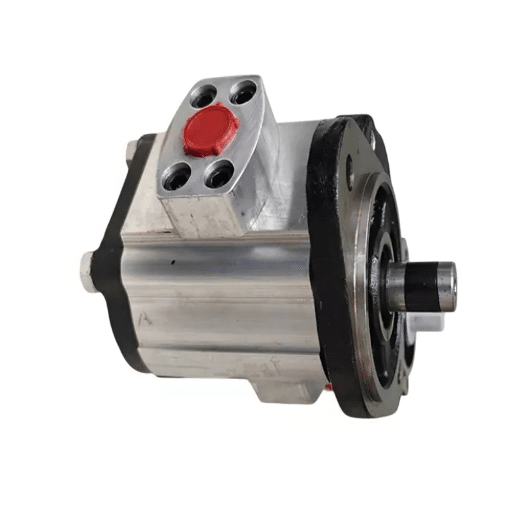
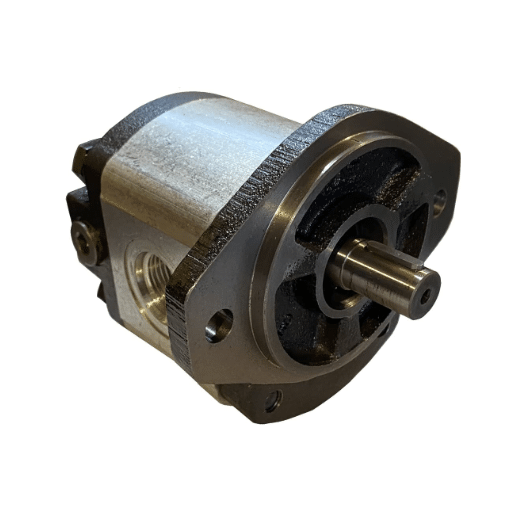
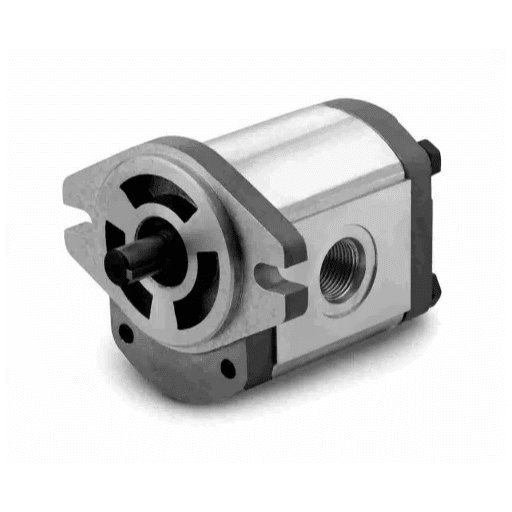
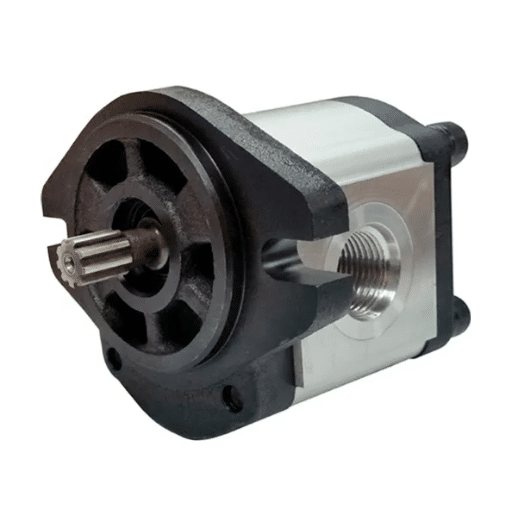
The pump is the heart of the wet kit. It converts mechanical rotation from the PTO into pressurized hydraulic flow. Gear pumps dominate the dump truck market due to their simple construction and cost efficiency. According to industry data, gear pumps hold a 47.2% market share in dump truck hydraulic applications. Piston pumps handle higher pressures for specialized heavy-haul systems.
Typical dump truck wet kit pumps deliver between 7.4 and 16.6 GPM at pressures up to 3,000 PSI. The exact specification depends on cylinder volume, cycle speed requirements, and the weight of the load.
Reservoir / Tank
The reservoir stores hydraulic fluid and allows it to cool between cycles. Capacity follows a simple rule: the tank should hold 1.5 to 2 times the pump’s flow rate per minute. A 10 GPM pump needs at least a 15-gallon reservoir, and 20 gallons is better for high-duty-cycle applications.
Aluminum tanks are the industry standard. They resist corrosion, dissipate heat efficiently, and mount easily to frame rails. Steel tanks cost less but add weight. Polyethylene tanks work for light-duty applications but lack the heat dissipation of metal.
Control Valves
Control valves direct fluid flow and manage system pressure. Directional control valves switch flow between extend and retract positions. Relief valves protect the system by diverting excess pressure back to the tank when the cylinder reaches its limit. Feathering valves allow smooth speed control during hoist operation, which reduces shock loads on the cylinder and chassis.
Hoses, Fittings & Couplers
Hydraulic hoses on a dump truck wet kit operate at pressures up to 3,000 PSI. Use SAE-rated hose assemblies with JIC or NPT fittings. Never use standard hardware-store clamps. Route hoses away from exhaust components, sharp edges, and moving parts. Use rubber-lined P-clamps to secure hoses to the frame, and leave slight slack where the engine or cab moves.
Hydraulic Filter
Contamination is the leading cause of premature pump and valve failure. A return-line filter catches particles before fluid re-enters the reservoir. Tank-mounted suction filters protect the pump inlet. Replace filters after the first 50 hours of operation on a new system, then with every oil change.
Cab Controls
Most modern wet kits use air-shift controls tapped into the truck’s secondary air system. The operator engages the PTO with a dashboard or floor-mounted switch. Some systems include LED indicators to confirm engagement. Accidentally engaging the PTO at highway speed destroys the pump within seconds, so proper switch placement and operator training matter.
For dump trailer pump sizing specifically, see our hydraulic pump for dump trailer guide.
Single-Line vs Dual-Line vs Three-Line Wet Kits
Dump truck wet kits come in three configurations. The right choice depends on your application, duty cycle, and budget.
| Feature | Single-Line | Dual-Line | Three-Line |
|---|---|---|---|
| Lines | 1 pressure line | Pressure + return | Pressure + return + case drain |
| Operation | Single-acting (gravity down) | Double-acting (powered down) | Double-acting with dedicated cooling |
| Best For | Basic dump trucks, light duty | Standard dump trailers, frequent cycles | Heavy haul, walking floors, continuous use |
| Cycle Speed | Moderate | Faster than single-line | Fastest, coolest operation |
| Cost | Lowest | Moderate | Highest |
| Heat Buildup | Highest | Moderate | Lowest |
Single-Line Wet Kits
A single-line wet kit uses one pressure line to extend the cylinder. Gravity lowers the dump bed on the return stroke. This is the simplest and most cost-effective configuration. It works well for occasional use on light-duty dump trucks with small loads. The downside is heat buildup. With no dedicated return line, fluid has less opportunity to cool, which shortens oil life and increases wear on seals and valves.
Dual-Line Wet Kits
A dual-line wet kit adds a dedicated return line. The control valve directs pressurized fluid to extend the cylinder and routes return fluid back to the tank through a separate hose. Powered retraction gives the operator more control and reduces shock loads. The separate return line also improves cooling, which extends component life and allows faster cycle times.
Three-Line Wet Kits
A three-line wet kit adds a case drain or suction line that returns fluid directly to the tank, bypassing the pump inlet. This eliminates backpressure on the pump and keeps hydraulic oil at the lowest possible temperature. Three-line systems are standard for heavy-duty applications: walking-floor trailers, end-dump operations with frequent cycles, lowboy goosenecks, and oilfield equipment. If your truck runs more than 20 cycles per day, a three-line configuration pays for itself in reduced maintenance and longer pump life.
Sizing Your Wet Kit: Pump GPM & Pressure Requirements

Incorrect pump sizing is the most common and most expensive mistake in dump truck wet kit specification. A pump that is too small cycles slowly and overheats. A pump that is too large wastes fuel, stresses the PTO, and costs more than necessary.
GPM Formula
Calculate required pump flow with this formula:
GPM = (Cylinder Volume in Cubic Inches x Cycles per Minute) / 231
For example, a dump cylinder with a 5-inch bore and 60-inch stroke has a volume of approximately 1,178 cubic inches. If you need one complete cycle every 30 seconds, that is 2 cycles per minute. The calculation is: 1,178 x 2 / 231 = 10.2 GPM. Round up to the next standard pump size, which would be an 11 GPM or 13 GPM unit.
Pressure Requirements
Standard dump truck wet kits operate between 2,000 and 3,000 PSI. Light-duty single-axle dumps may only need 2,000 PSI. Tri-axle end dumps and heavy-haul trailers often need 2,500 to 3,000 PSI. Always verify the cylinder pressure rating before selecting the pump and relief valve settings.
PTO Ratio Selection
The PTO speed ratio must match the pump’s rated input speed. Most hydraulic pumps for dump trucks run optimally at 1,000 to 1,800 RPM. If the PTO output spins the pump too fast, cavitation and premature bearing wear result. If it spins too slowly, the pump cannot deliver the rated flow. Check the pump manufacturer’s speed rating and select a PTO with the correct ratio for your engine speed range.
In 2023, a fleet maintenance supervisor named Carlos Mendez standardized wet kit pump sizing across twelve dump trucks in a Texas aggregate hauling operation. Previously, each truck had a different pump spec based on whatever the local installer had in stock. Mendez calculated GPM requirements for each body type, matched PTO ratios to pump speed ratings, and reduced his wet kit-related service calls by 60% in the first year. The key was treating pump sizing as an engineering decision, not a guess.
Not sure what pump size your dump body needs? Contact our engineering team for a customized hydraulic system recommendation based on your cylinder specs and cycle requirements.
Dump Truck Wet Kit Installation Overview
Installing a dump truck wet kit requires mechanical skill, precision measurements, and knowledge of hydraulic system safety. Most fleet operators use certified installers. If you have an experienced in-house mechanic, here is the basic sequence.
Pre-Installation Planning
Verify transmission model and available PTO ports. Confirm there is adequate frame rail space for the tank, pump, and hose routing. Check that the truck’s electrical and air systems can support cab controls. Calculate GPM and pressure requirements before ordering components.
Installation Steps
- Mount the PTO to the transmission with the correct gasket shims to set backlash precisely.
- Mount the pump to the PTO. Direct-mount is preferred over shaft-driven for fewer failure points.
- Prime the pump with hydraulic fluid before first startup to prevent dry-running damage.
- Mount the reservoir to the frame rails. Saddle mounts keep the center of gravity low.
- Install the control valve, filter, and relief valve according to manufacturer’s specifications.
- Route hoses away from heat sources and sharp edges. Use JIC fittings rated above the maximum system pressure.
- Install cab controls within easy reach but positioned to prevent accidental engagement.
- Fill the reservoir to two-thirds capacity. Cycle the system at idle without load to bleed air.
- Inspect every fitting for leaks. Check pump speed, system pressure, and temperature rise under load.
Safety and Compliance
Wet kit installation must comply with DOT FMCSA regulations and SAE J1171 standards. Improper installation creates fire hazards, transmission damage, and hydraulic failure. If your transmission does not have a pre-drilled PTO port, the modification requires specialized machining that most shops cannot handle safely.
Dump Truck Wet Kit Cost Breakdown (2024-2025)
Wet kit costs vary by configuration, truck type, and whether you install yourself or hire a shop. Here is the current market breakdown.
| Cost Category | Single-Line | Dual-Line | Three-Line |
|---|---|---|---|
| PTO Unit | $800-1,500 | $1,000-2,000 | $1,200-2,500 |
| Hydraulic Pump | $400-800 | $500-1,000 | $700-1,500 |
| Reservoir (50 gal) | $300-600 | $300-600 | $400-800 |
| Valves & Fittings | $200-400 | $300-600 | $400-900 |
| Hoses & Couplers | $150-300 | $250-500 | $350-700 |
| Cab Controls | $200-400 | $250-500 | $300-600 |
| Filter & Accessories | $100-200 | $150-300 | $200-400 |
| Parts Subtotal | $2,150-4,200 | $2,750-5,500 | $3,550-7,400 |
| Professional Labor | $1,200-2,500 | $1,500-3,000 | $2,000-4,000 |
| Total Installed | $3,350-6,700 | $4,250-8,500 | $5,550-11,400 |
Budget kits from some suppliers start around $2,849 for a complete single-line setup with PTO. High-end three-line systems for heavy-haul applications can exceed $10,000 installed.
Cost Factors
Transmission type matters. Eaton Fuller manual transmissions are the easiest and cheapest to fit. Allison automatics require specific PTO models that cost more. Engine-mounted PTOs and clutch pumps add 1,000 to 3,000 to the total. Frame rail space also affects cost. If the tank must mount behind the cab instead of under the frame, bracket fabrication adds labor hours.
Dump Truck Wet Kit Maintenance Schedule

Preventive maintenance extends dump truck wet kit life and prevents roadside failures. Follow this schedule.
Daily Checks
- Inspect reservoir fluid level before operation
- Check hoses and fittings for leaks, cracks, or abrasion
- Verify PTO engagement and disengagement function
- Listen for unusual pump noise or cavitation
Weekly / Monthly
- Inspect hydraulic filter condition
- Check mounting bolt torque on tank, pump, and PTO
- Clean debris from reservoir vents and breathers
- Monitor system temperature during operation
Annual
- Change hydraulic fluid and filter
- Inspect cylinder seals and rod condition
- Test relief valve pressure setting
- Replace worn hoses proactively
Hydraulic fluid should be changed every 1,000 to 1,500 operating hours, or annually, whichever comes first. Use ISO 46 or ISO 68 hydraulic oil for temperate climates.
For a complete fleet maintenance schedule, see our dump truck hydraulic system maintenance guide.
Troubleshooting Common Dump Truck Wet Kit Problems
When a dump truck wet kit fails, the symptom usually points to one of three causes: fluid, pressure, or mechanical wear. Use this table to diagnose problems fast.
| Symptom | Likely Cause | First Diagnostic Step |
|---|---|---|
| Slow cylinder operation | Undersized pump, low fluid level, or restricted filter | Check reservoir level and filter pressure drop |
| Overheating (above 180F) | Undersized reservoir, blocked cooler, or continuous high-duty cycle | Verify tank capacity and inspect heat exchanger |
| External leaks | Worn seals, loose fittings, or hose abrasion | Tighten fittings and inspect hose routing |
| Pump noise or cavitation | Air in system, low fluid, or incorrect pump speed | Bleed air, check level, verify PTO ratio |
| PTO will not engage | Air supply issue, electrical fault, or mechanical jam | Check air pressure and inspect shift mechanism |
| Cylinder drifts down when loaded | Worn cylinder seals or leaking control valve | Test cylinder hold pressure with load applied |
Sourcing Wet Kit Components
Where you source your dump truck wet kit components affects reliability, warranty coverage, and long-term parts availability. You have three main options.
OEM Components
OEM wet kit components come from the original truck or equipment manufacturer. They guarantee an exact fit and full warranty coverage. The downside is cost. OEM PTOs, pumps, and valves typically cost 30% to 50% more than equivalent aftermarket units. Lead times can also stretch to several weeks for specialized parts.
Aftermarket Components
Aftermarket wet kit components from industrial hydraulic suppliers provide equivalent performance at lower cost. The key is supplier verification. Before buying aftermarket, confirm these criteria:
- Pressure and flow ratings match or exceed OEM specifications
- Mounting dimensions and shaft configuration are compatible
- Materials meet OEM standards: hardened steel gears, ductile iron housings, aluminum reservoirs
- Supplier provides material certifications and test reports
- Warranty terms are comparable to OEM coverage
- Technical support is available for installation questions
In 2024, a construction equipment rental company with forty mixed-model dump trucks consolidated its hydraulic component sourcing through a single industrial supplier. Previously, they carried seventeen different pump and cylinder part numbers across three brands. After standardizing on a supplier with broad cross-reference data, they reduced inventory to six part numbers. Diagnostic time dropped because technicians no longer had to cross-reference multiple catalogs. Warranty returns also fell because the standardized components met or exceeded OEM pressure and flow specifications.
What to Look for in a Hydraulic Pump Supplier
When sourcing wet kit pumps, prioritize suppliers with in-house manufacturing, CNC machining capability, and multi-stage testing. ISO-certified production reduces defect risk. Export-ready packaging and logistics capability matter if you operate across regions. Engineering support for pump sizing and compatibility questions is essential for fleet standardization. For guidance on selecting the right hydraulic pump for dump truck systems, see our pump selection guide.
Cold Weather & Winter Operation

Hydraulic fluid in a hydraulic wet kit thickens in cold temperatures, which increases pump load and slows cylinder response. Standard ISO 46 oil becomes sluggish below 20F. For winter operation, consider these adjustments.
Fluid Selection
Switch to ISO 32 hydraulic oil or a multi-grade fluid rated for low-temperature operation. Some operators use reservoir heaters or fuel-tank-mounted tanks that use engine heat to warm hydraulic oil. Never operate a cold system at full load until the fluid reaches at least 40℉.
Pre-Heating Strategies
Allow the engine to idle for five to ten minutes before engaging the PTO. This warms the transmission fluid, which in turn warms the PTO and pump housing. Some fleets install electric reservoir heaters for overnight parking in sub-zero conditions.
Storage Recommendations
If a dump truck sits idle for more than two weeks in cold weather, cycle the dump truck’s wet kit once weekly to circulate fluid and prevent seal hardening. Store replacement hydraulic hoses indoors. Cold rubber becomes brittle and cracks when flexed.
Frequently Asked Questions
Is a wet kit the same as a PTO?
No. A PTO, or Power Take-Off, is one component of a wet kit. The PTO is the mechanical connection that draws power from the engine or transmission. The wet kit is the complete hydraulic system, including the pump, reservoir, valves, hoses, and controls.
How much does it cost to put a wet kit on a dump truck?
In 2024-2025, a completely installed wet kit costs between 3,350 and 11,400 depending on configuration. A basic single-line kit with professional installation runs 3,350 to 6,700. A heavy-duty three-line system for continuous operation costs 5,550 to 11,400 installed. Parts-only kits start around $2,849.
What is a 3-line wet kit used for?
A three-line wet kit adds a dedicated return-to-tank line that bypasses the pump suction port. This keeps hydraulic oil cooler and eliminates backpressure. Three-line systems are ideal for heavy-duty applications with frequent cycles: walking-floor trailers, end-dump operations, lowboy goosenecks, and oilfield equipment.
Can a wet kit be used in cold weather?
Yes, but cold weather requires adjustments. Switch to ISO 32 hydraulic oil or a low-temperature multi-grade fluid. Allow the engine to idle for five to ten minutes before engaging the PTO. Some operators install electric reservoir heaters for sub-zero conditions.
Conclusion
A dump truck wet kit is not an accessory. It is a precision hydraulic system that determines whether your truck operates productively or sits in the shop. The right configuration, whether single-line, dual-line, or three-line, depends on your duty cycle and load requirements. Correct pump sizing based on cylinder volume and cycle speed prevents overheating and slow operation. Understanding 2024-2025 cost ranges helps you budget accurately. A structured maintenance schedule and a clear troubleshooting process protect your investment over the long term.
Sourcing matters as much as sizing. OEM components offer guaranteed fit but at premium prices. Aftermarket components from verified suppliers deliver equivalent performance with better availability and lower cost. The key is supplier verification: check ratings, materials, certifications, and technical support before you buy.
If you are specifying a wet kit for a new build or replacing components on an existing truck, start with the GPM calculation for your wet kit for a dump truck setup. Match the pump to the cylinder, the PTO ratio to the pump speed, and the reservoir to the flow rate. Get those three numbers right, and the rest of the system falls into place.
Ready to source wet kit components? Request a technical specification sheet or contact our engineering team for a customized hydraulic system recommendation matched to your dump body and cycle requirements.