A single incorrect part can stop an excavator for days. At a mid-sized injection molding facility in Malaysia, the maintenance team ordered a generic piston shoe kit for their variable displacement axial piston pump.
The shoes wore unevenly within 200 operating hours. Metal contamination spread through the system. The valve plate was damaged. The team faced a full pump rebuild. The initial savings on spare parts turned into a six-week production delay.
If you source hydraulic components, you know that part identification is only the first step. You need to understand which part does what, why it fails, and how to verify compatibility before you order. This guide breaks down the core axial piston pump parts that keep industrial hydraulic systems running. It maps common failure modes to the components they affect, and it gives you a practical framework for procuring replacements with confidence.
You will learn how each major part functions. You will see what distinguishes fixed from variable displacement designs. You will understand how contamination and pressure spikes damage internal axial piston pump parts. And you will know exactly what to check on a pump nameplate before you request a quote. Want to learn more about the axial piston hydraulic pump? Please check out our axial piston hydraulic pump complete guide.
Want a printable parts identification checklist? Contact our engineering team for a technical consultation.
What Is an Axial Piston Pump

An axial piston pump is a positive-displacement hydraulic pump. Multiple pistons sit in a circular pattern inside a rotating cylinder block. Each piston moves parallel to the drive shaft. This axial motion converts mechanical rotation into pressurized fluid flow.
The design delivers high pressure, efficient energy transfer, and precise flow control. That is why it appears in demanding applications such as excavators, CNC machines, injection molding equipment, and marine winches.
The global axial piston pump market continues to expand as industries upgrade fluid power systems. Recent market analysis projects growth from approximately USD 4.5 billion in 2025 to between USD 7.1 and USD 7.8 billion by 2033. The compound annual growth rate is 6.4% to 8.4%. Much of that demand comes from replacement and maintenance activity, where procurement teams must match the correct axial piston pump components to existing equipment.
Unlike gear pumps or vane pumps, axial piston pumps operate at pressures commonly exceeding 250 bar. They can reach 400 bar or more in high-performance systems. That pressure capability makes material quality, machining tolerance, and component compatibility critical.
A mismatched valve plate will not simply underperform. An improperly hardened piston shoe will do the same. Either issue accelerates wear across the entire displacement mechanism.
For a dedicated explanation of the operating cycle, read our axial piston pump working principle article.
Core Axial Piston Pump Parts and Their Functions
Understanding each part helps you specify replacements accurately. It also helps you spot when a supplier is offering an incomplete or incompatible kit. The following components appear in nearly every axial piston pump, whether the design uses an in-line swash plate or a bent-axis configuration.
Cylinder Block (Barrel / Rotor)
The cylinder block contains the precision-machined bores that guide each piston. It rotates with the drive shaft. It must maintain exact alignment with the valve plate to prevent internal leakage. Materials typically include high-strength alloy steel or bronze, depending on the operating pressure and fluid compatibility.
When the cylinder block wears, bore ovality increases. Pistons no longer seal properly. Replacement usually requires checking the bore diameter, surface finish, and port geometry against the original manufacturer’s specification.
Pistons and Piston Shoes
Pistons reciprocate inside the cylinder bores to create suction and discharge strokes. Each piston transfers force through a piston shoe, also called a slipper pad, that rides against the swash plate or cam plate. The shoe must maintain a thin oil film to prevent metal-to-metal contact under high load.
A procurement engineer should verify that replacement pistons match the original in diameter, stroke length, shoe angle, and material hardness. Shoes that are too soft will wear out quickly. Shoes that are too hard can damage the swash plate surface.
Swash Plate or Cam Plate
The swash plate is an angled plate that converts rotary motion into reciprocating piston motion. In a fixed-displacement pump, the angle is permanent. In a variable-displacement axial piston pump, a control mechanism changes the angle to adjust flow output. A steeper angle produces a longer piston stroke and greater displacement per revolution.
Scoring, pitting, or discoloration on the swash plate face indicates lubrication breakdown or contamination. Because the plate sets the geometric relationship for every piston, replacing it requires careful alignment during assembly.
Valve Plate (Port Plate)
The valve plate is stationary. It contains kidney-shaped inlet and discharge ports. As the cylinder block rotates, each piston bore transitions between suction and pressure phases. Precision machining of the valve plate face ensures minimal internal leakage while allowing smooth port timing.
Erosion on the valve plate ports is a common failure mode, especially when cavitation or contaminated fluid is present. Minor scoring can sometimes be re-lapped, but severe erosion demands replacement.
Drive Shaft and Bearings
The drive shaft transmits torque from the prime mover to the cylinder block. It must resist torsional stress, bending loads, and axial thrust. Support bearings maintain shaft alignment and absorb radial and axial forces generated by the rotating group.
Bent or splined shafts, worn bearings, and damaged thrust washers are frequent causes of noise, vibration, and premature seal failure. When sourcing replacement shafts, check spline count, keyway dimensions, and flange mounting specifications.
Housing, Seals, and Gaskets
The pump housing supports and aligns all internal components while containing pressurized fluid. Seals and gaskets prevent external leakage around the shaft, control covers, and port flanges. Over time, seal elastomers harden, crack, or swell, leading to visible leaks and contamination ingress.
Seal replacement kits should specify the correct elastomer compound for the hydraulic fluid and operating temperature range. Using a generic seal kit rated for standard mineral oil in a high-temperature synthetic fluid application will shorten service life.
Control Mechanism (Variable Displacement Models)
Variable-displacement axial piston pumps add a control mechanism. It adjusts the swash plate angle in response to system pressure, load-sensing signals, or electronic commands. Components include compensator springs, control spools, servo pistons, and proportional solenoids.
These parts introduce additional failure points. Sticking compensator spools, worn control springs, and blocked orifices can cause pressure instability or erratic flow. When replacing control components, verify the control type, pressure setting range, and electrical specifications if applicable. For a deeper look at control options, read our variable displacement axial piston pump controls guide.
Fixed vs. Variable Displacement: What Changes the Parts List?

Fixed displacement axial piston pumps deliver a constant volume of fluid per revolution. The swash plate angle is locked at the factory. The parts list is shorter, and the design is mechanically simpler. Common replacement axial piston pump parts include the rotating group, valve plate, seals, and bearings.
Variable-displacement axial piston pumps adjust output to match system demand. This improves energy efficiency and reduces heat generation, but it adds components such as compensator valves, servo cylinders, feedback linkages, and electronic controls. The parts list is longer, and procurement teams must identify the exact control configuration before ordering spares.
A procurement engineer at a construction equipment rental company once ordered a replacement rotating group for a variable displacement pump without confirming the control type. The new group fit mechanically, but the pressure compensator spring was calibrated for a different control curve. The pump cycled rapidly under load, producing heat and noise until the correct compensator assembly was installed. Verifying the model code and control designation on the pump nameplate would have prevented the mismatch.
For detailed maintenance guidance on both designs, refer to our axial piston pump maintenance guide.
Common Failure Modes and the Parts They Damage
Effective spare parts sourcing starts with failure analysis. Know which component fails under each condition. Then you can order the right axial piston pump repair parts. You will avoid replacing the entire pump.
Contamination
Contaminated hydraulic fluid is one of the leading causes of axial piston pump failure. Hard particles score piston bores, scratch swash plate faces, and embed in piston shoes. The resulting debris accelerates wear across the entire rotating group. Common damage includes scratched cylinder bores, worn piston shoes, scored valve plates, and damaged thrust bearings.
According to failure analysis guides from hydraulic equipment manufacturers, contamination damage is easy to spot. Look for vertical scratches on piston surfaces. You may also see dull or scratched finishes on previously polished faces. Addressing the root cause requires filtration upgrades. You must also replace affected axial piston pump parts.
Over-Pressurization and Pressure Spikes
Pressure spikes beyond the rated maximum can crack cylinder blocks, break piston necks, damage valve plates, and distort control pins. Repeated spikes also stress the drive shaft and bearings. If your system experiences frequent shock loading, consider adding a relief valve and inspecting the cylinder block and pistons during scheduled maintenance.
Cavitation and Improper Inlet Conditions
Cavitation occurs when the inlet pressure drops too low, causing vapor bubbles to form and collapse inside the pump. The implosions erode the valve plate face and piston shoe surfaces. Symptoms include noisy operation, erratic flow, and pitting on high-velocity surfaces. Correcting inlet line restrictions, fluid viscosity, and reservoir level often eliminates the root cause, but damaged axial piston pump parts must still be replaced.
Seal Degradation and External Leakage
Shaft seals, O-rings, and gaskets degrade from heat, chemical exposure, and mechanical wear. External leaks are easy to identify, but internal seal failure can allow high-pressure fluid to cross into low-pressure zones or into the pump case. This causes loss of efficiency, overheating, and contamination of the case drain fluid.
For diagnostic tables and repair guidance, see our axial piston pump troubleshooting article.
How to Identify and Specify Replacement Axial Piston Pump Parts

Ordering the correct hydraulic piston pump parts requires more than counting pistons. The following steps help procurement engineers avoid mismatches and reduce downtime.
Read the Pump Nameplate
The nameplate contains the model code, displacement, rotation direction, shaft type, control configuration, and serial number. Record every detail. A single character difference in a model code can indicate a different port size, control option, or displacement setting.
For example, a Rexroth A10VSO series pump and an A10VSO/31 series pump may share external dimensions but use different valve plate designs or control interfaces. Similarly, Danfoss Series 45 pumps use frame and control codes that determine which axial piston pump spare parts fit.
Compare OEM vs. Aftermarket Interchangeability
Original equipment manufacturer parts guarantee exact geometry and material specifications, but they often carry longer lead times and premium pricing. Quality aftermarket parts can offer equivalent performance if they are manufactured to the same tolerances and use compatible materials.
When evaluating aftermarket axial piston pump spare parts, ask the supplier for material certificates, dimensional inspection reports, and pressure test data. A reputable industrial supplier should document hardness, surface finish, and dimensional conformance before shipment.
If your operation requires custom specifications, our OEM hydraulic pump manufacturing service can produce parts matched to your drawings and performance targets.
Use a Procurement Checklist
Before finalizing an order, verify the following:
- Exact pump model and serial number
- Displacement, pressure rating, and rotation direction
- Shaft type and mounting flange
- Control type (for variable displacement pumps)
- Hydraulic fluid type and operating temperature range
- Required material grade and surface treatment
- Whether the order includes a complete rotating group or individual axial piston pump parts
- Supplier quality control and testing documentation
- Lead time and spare parts availability for future maintenance
A marine hydraulics contractor in Singapore used this checklist after a variable displacement pump failure on a deck crane. The team confirmed the exact control code. They ordered a matched rotating group with valve plate and seals. Downtime dropped from an estimated three weeks to five days. The procurement engineer also negotiated a small stock of commonly worn piston shoes for the next scheduled service window. Need help matching specs to your system? Our axial piston pump specifications guide explains each rating in more depth.
Sourcing Axial Piston Pump Parts for Industrial Operations
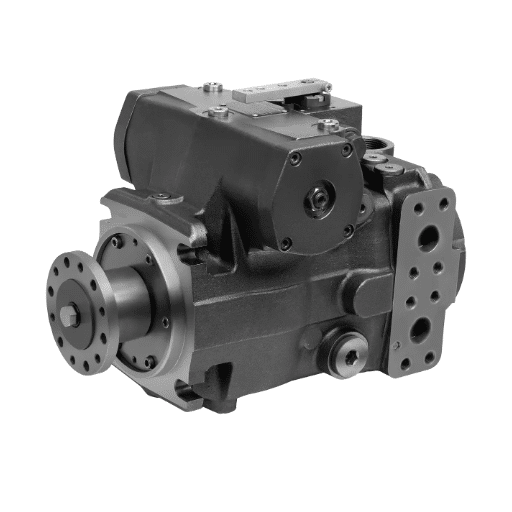
Reliable sourcing is as important as correct specification. Industrial buyers should evaluate suppliers on manufacturing capability, quality control, testing procedures, and export logistics, not just unit price.
A supplier with in-house CNC machining, surface grinding, and pressure testing can maintain tighter tolerances and faster turnaround on replacement axial piston pump parts. Multi-stage inspection processes, including dimensional checks, hardness verification, and leak testing, reduce the risk of receiving out-of-spec components.
For global operations, packaging and logistics matter. Heavy alloy components must be protected from corrosion and impact during ocean or air freight. Export documentation, customs classification, and consistent lead times all affect whether your maintenance schedule stays on track.
When you source axial piston pump parts, look for a supplier that provides engineering support alongside catalog items. Technical questions about compatibility, pressure ratings, and installation procedures should be answered by someone who understands hydraulic systems, not just product codes.
Need help identifying the right replacement parts? Request a technical specification sheet, and our team will review your pump model and application requirements.
Conclusion
Axial piston pump parts work as an integrated system. The cylinder block, pistons, swash plate, valve plate, drive shaft, seals, and control mechanism each play a specific role in converting mechanical power into precise hydraulic flow. When one component fails, the damage often spreads to adjacent parts, which is why accurate identification and quality sourcing matter.
Key takeaways for procurement engineers:
- Always record the full pump nameplate data before ordering axial piston pump parts.
- Match replacement components to the original material grade, dimensional tolerance, and control configuration.
- Link failure symptoms to specific parts so you order what is actually needed.
- Evaluate suppliers on quality control and technical support, not only price.
- Maintain a small inventory of high-wear axial piston pump parts, such as piston shoes, seals, and bearings, to shorten future repair times.
By applying a structured approach to parts identification and sourcing, you reduce downtime, extend pump life, and protect the performance of the larger hydraulic system. For application-specific guidance or bulk replacement part sourcing, contact us for an industrial solution consultation.