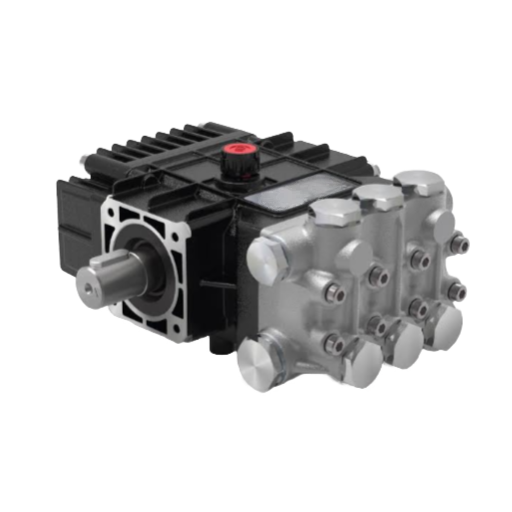
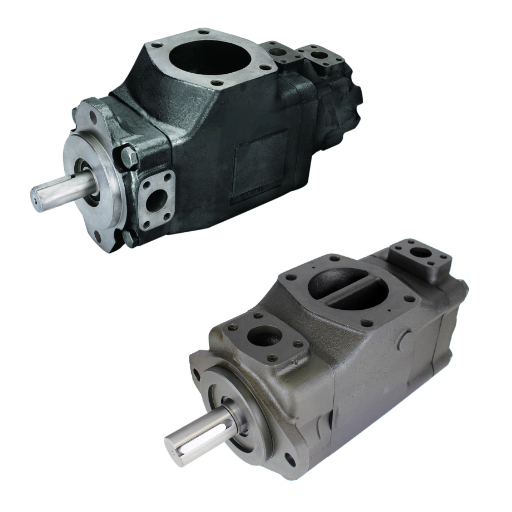
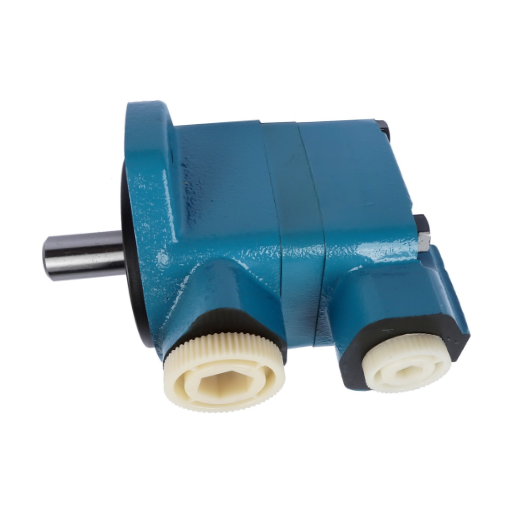
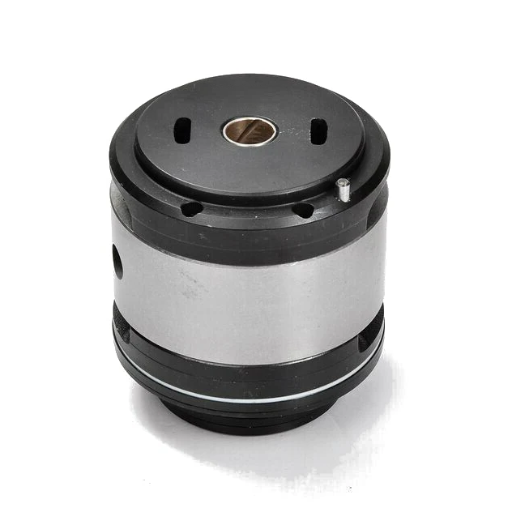
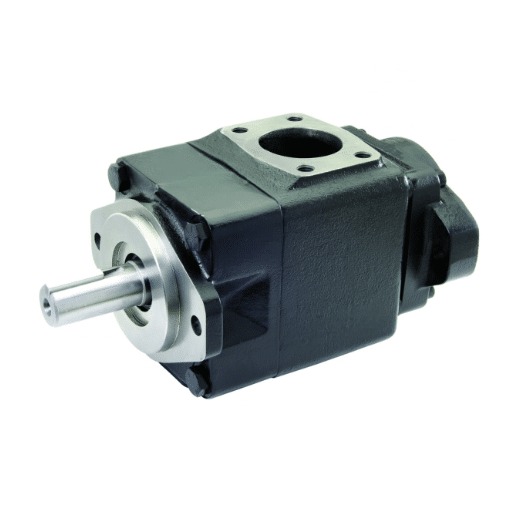
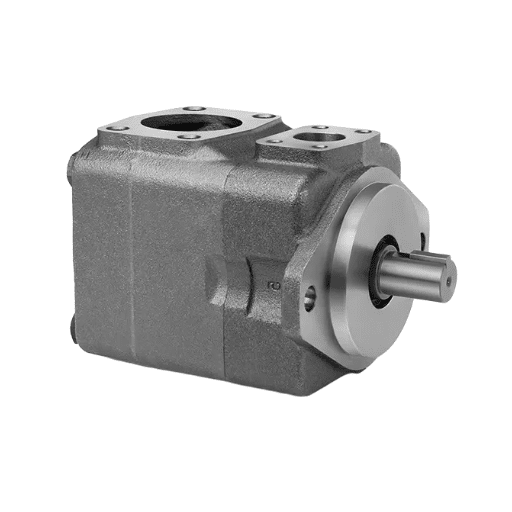
Marcus stared at the failed main pump on his 20-ton excavator. The part number was worn off. The dealer wanted $8,200 and a three-week wait. He needed the machine back in five days.
That’s when he realized that buying an axial piston hydraulic pump isn’t just about matching a model number. It’s about understanding displacement, pressure, control type, and port orientation.
If you’re a procurement engineer, maintenance manager, or equipment builder, you’ve probably faced the same puzzle. The right pump keeps your hydraulic system efficient and reliable. The wrong one wastes money, fuel, and downtime.
In this guide, you’ll learn the axial piston pump working principle, compare axial piston pump types, and read specifications like an engineer. We’ll also cover sizing, maintenance, failures, pricing, and sourcing. By the end, you’ll know how to select an axial piston hydraulic pump with confidence.
What Is an Axial Piston Hydraulic Pump?

An axial piston hydraulic pump is a type of hydraulic piston pump. It’s a positive-displacement pump that moves a fixed volume of hydraulic fluid for each revolution of the drive shaft. The pistons are arranged parallel to the shaft axis. That’s where the “axial” name comes from.
As the shaft rotates, each piston reciprocates inside its bore. On the outward stroke, the piston draws fluid in through a suction port. On the inward stroke, it pushes fluid out through a discharge port. A valve plate times the suction and pressure phases so the pump never pumps backward.
Axial piston pumps dominate high-pressure, high-efficiency applications. They routinely operate at 280–450 bar continuously, with peak ratings up to 700 bar on specialized units. Their volumetric efficiency runs 90–98%, and overall efficiency can reach 80–95%.
They also offer variable displacement, which lets the pump adjust flow to match demand. That feature alone can cut energy use by 15–30% in variable-load systems compared with fixed-displacement designs. For a closer look at the axial piston pump internal components, see our guide to axial piston pump parts.
How an Axial Piston Pump Works
The core idea is simple: a rotating cylinder block, reciprocating pistons, and a valve plate that switches ports. The difference between designs is what drives the pistons back and forth.
The drive shaft spins the cylinder block. The pistons sit in bores around the block’s circumference. As the block turns, the piston slippers slide against a tilted surface. That tilt forces each piston to move in and out of its bore once per revolution.
The valve plate is stationary. It has kidney-shaped ports aligned with the cylinder block at the correct moments. One port connects to suction while the piston moves outward. The other port connects to pressure while the piston moves inward.
The timing is precise. Even a small mismatch causes noise, cavitation, or flow loss. For a dedicated explanation of the operating cycle, read our axial piston pump working principle article.
The Swashplate Mechanism
In a swashplate pump, the drive shaft and cylinder block rotate on the same axis. A tilted plate, called the swashplate, pushes the piston slippers. The angle of that plate sets the piston stroke.
If the swashplate is perpendicular to the shaft, the pistons don’t reciprocate. Flow is zero. As the plate angle increases, stroke length increases, and so does displacement. In variable models, a servo piston changes the swashplate angle on the fly.
Swashplate pumps are compact and easy to control. They’re common in industrial open-circuit machines and mobile equipment. The Bosch Rexroth A10VSO and A4VSO series are classic swashplate designs.
The Bent-Axis Mechanism
In a bent-axis pump, the drive shaft flange is angled relative to the cylinder block axis. The pistons connect to the flange through ball joints. Rotation of the flange forces the pistons to reciprocate.
Bent-axis units tend to run at higher speeds and pressures with slightly better mechanical efficiency. They’re popular in mobile hydrostatic drives and high-duty closed-circuit systems. The Bosch Rexroth A2FO is a well-known bent-axis example.
Axial Piston Pump Types and Configurations
Axial piston pumps are grouped by displacement type, mechanism, and circuit arrangement. Each combination fits different machinery and control strategies.
| Type | Mechanism | Best For |
|---|---|---|
| Fixed displacement | Constant stroke angle | Simple constant-speed circuits where flow demand is steady |
| Variable displacement | Adjustable swashplate angle | Energy-efficient systems with changing loads |
| Swashplate (inline) | Pistons parallel to shaft, driven by tilted plate | Compact mobile and industrial open-circuit machines |
| Bent-axis | Angled drive flange drives pistons | High-speed, heavy-duty mobile and closed-circuit drives |
| Open circuit | Draws from reservoir, returns to tank | Most industrial and mobile hydraulic systems |
| Closed circuit | Fluid circulates between pump and motor | Hydrostatic transmissions and winch drives |
Fixed-displacement pumps are simpler and cheaper. They deliver the same flow per revolution regardless of system demand. Variable-displacement pumps cost more up front, but they save energy and reduce heat when the actuator doesn’t need full flow.
Open-circuit pumps are the most common. They pull oil from a tank, send it through valves and actuators, and return it to the tank. Closed-circuit pumps recirculate the same fluid between the pump and a hydraulic motor. They’re used in propulsion drives, marine thrusters, and large winches.
Axial Piston Pump Specifications Explained
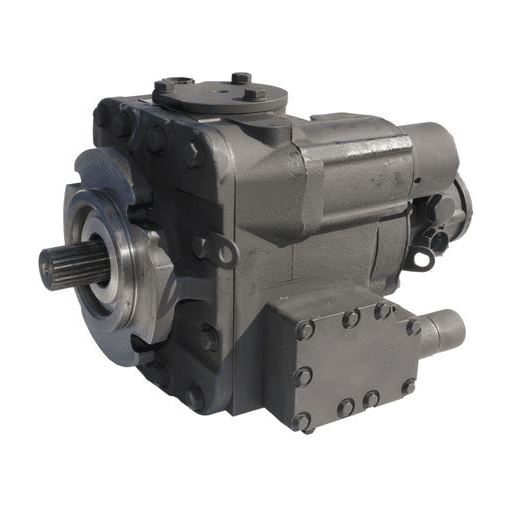
Specifications tell you whether a pump will survive and perform in your system. Need help matching specs to your system? Our axial piston pump specifications guide explains each rating in more depth. Here are the numbers that matter most.
Pressure rating. Nominal continuous pressure for industrial axial piston pumps is typically 280–350 bar. Peak pressure can reach 400–450 bar for short durations. Specialized units exceed 700 bar, but those are rare in general mobile and industrial work.
Displacement. Displacement is the volume of fluid moved per revolution, measured in cubic centimeters per revolution (cm³/rev or cc/rev). Common axial piston pump displacements range from 14 cm³/rev up to 300+ cm³/rev. Larger displacement means more flow at the same speed.
Speed. Rated speeds vary from about 700 RPM for large units to 4,500 RPM for small high-speed pumps. Always check the manufacturer’s maximum and minimum speed limits. Running too slow causes flow ripple and lubrication problems. Running too fast increases wear and noise.
Flow rate. You can estimate flow with the formula:
Q = (Vg × n × ηv) / 1000
Where:
- Q = flow in L/min
- Vg = displacement in cm³/rev
- n = speed in RPM
- ηv = volumetric efficiency (use 0.90–0.98)
For example, a 71 cm³/rev pump at 1,800 RPM with 0.95 volumetric efficiency delivers:
Q = (71 × 1,800 × 0.95) / 1000 = 121.4 L/min
Power input. Hydraulic power in kilowatts is:
kW = (Q × p) / 600
Where Q is L/min and p is bar. For the same pump at 280 bar:
kW = (121.4 × 280) / 600 = 56.7 kW
Efficiency. Volumetric efficiency is usually 90–98%. Overall efficiency, which includes mechanical losses, ranges from 80–95%. A pump with low volumetric efficiency will overheat and deliver less flow than expected.
Mounting and shaft. Most pumps use SAE A, B, C, or D flanges and splined or keyed shafts. Port orientation, rotation direction, and control position must match your machine.
The table below shows representative models and their typical ranges.
| Model Series | Displacement (cm³/rev) | Nominal Pressure (bar) | Max Speed (rpm) | Common Use |
|---|---|---|---|---|
| Bosch Rexroth A10VSO | 18–140 | 280 | 2,100–2,400 | Industrial presses, injection molding |
| Bosch Rexroth A4VSO | 40–500 | 350 | 1,500–1,800 | Heavy industrial, steel mills |
| Bosch Rexroth A11VO | 40–260 | 350 | 2,100–2,400 | Mobile open-circuit equipment |
| Bosch Rexroth A2FO | 10–1,000 | 400 | 1,500–3,600 | Bent-axis mobile and marine |
| Kawasaki K3V/K5V | 63–180 | 350 | 2,000–2,250 | Excavators, cranes |
If you’re comparing Rexroth series, our Bosch Rexroth axial piston pump guide covers A10VSO, A4VSO, and A11VO in detail.
Variable Displacement Axial Piston Pump Controls
Variable displacement is the main reason engineers choose an axial piston pump over a fixed-displacement gear or vane pump. But the control type determines how the pump behaves under load. For a deeper look at control options, read our variable displacement axial piston pump controls guide.
Pressure compensator. The pump delivers full flow until system pressure reaches a set value. Then it automatically reduces displacement to maintain pressure. This is the most common control for industrial power units.
Load sensing. The pump monitors pressure downstream of the main control valve. It supplies only the flow and pressure the actuator needs. Load sensing reduces energy losses and heat. It’s common in mobile equipment with multiple functions.
Horsepower or torque limiter. This control limits the power the pump draws from the engine or motor. It prevents overload when a diesel engine is running at partial speed. You’ll see it on excavators, cranes, and other engine-driven machines.
Flow control and electronic proportional. Some pumps accept a pilot pressure or electronic signal to set displacement directly. These are used in closed-loop automation and precision machinery.
Elena, a plant engineer at a plastic injection molding facility, replaced a fixed-displacement vane pump with a pressure-compensated variable displacement axial piston pump. The machine used the same peak flow, but only during the injection phase. During cooling and clamping, the pump dropped to near-zero displacement. Her shop recorded a 22% drop in electricity use and a measurable reduction in oil temperature.
Axial Piston Pump Applications by Industry
Axial piston pumps power the heaviest and most precise machinery in industry. Their high pressure, compact size, and variable flow make them the default choice for main hydraulic circuits.
Construction. Excavators, wheel loaders, crawler cranes, and concrete pumps rely on axial piston pumps for propel, swing, and implement functions. A 20-ton excavator might use a Kawasaki K3V112DT main pump delivering 112 cm³/rev at 350 bar. Larger machines pair multiple pumps in tandem arrangements.
Industrial manufacturing. Hydraulic presses, injection molding machines, and metal forming lines use variable-displacement pumps for fast approach strokes and high-pressure forming. A 500-ton press might use Rexroth A4VSO 250 pumps to deliver variable flow under sustained pressure.
Mobile and mining. Articulated haulers, drill rigs, and road machinery use bent-axis and swashplate pumps in closed-circuit propel drives. These systems need high torque at low speed and efficient cooling.
Marine and offshore. Winches, deck cranes, and steering systems use axial piston pumps for their reliability and compact packaging. Corrosion-resistant coatings and case-drain monitoring are especially important in salt air.
Aerospace and defense. High-pressure, lightweight axial piston pumps control flight surfaces and landing gear. These are specialized units outside the scope of most industrial procurement.
For more application examples, see our axial piston pump applications article.
Axial Piston Pump vs Other Hydraulic Pump Types

Why choose an axial piston pump instead of a gear, vane, or radial piston pump? The answer depends on pressure, efficiency, and control needs.
| Feature | Axial Piston | Radial Piston | Gear | Vane |
|---|---|---|---|---|
| Max continuous pressure | 350–450 bar | 700+ bar | 175–250 bar | 150–210 bar |
| Efficiency | Very high | High | Moderate | Moderate |
| Variable displacement | Yes | Rarely | No | Limited |
| Relative cost | High | High | Low | Moderate |
| Noise level | Moderate | Low | Moderate | Low |
| Typical use | Mobile/industrial main circuits | Ultra-high-pressure presses | Auxiliary, pilot, lubrication | Industrial medium-pressure |
Axial piston pumps sit at the high-performance end of mobile and industrial hydraulics. They cost more than gear pumps, but they deliver higher pressure, better efficiency, and variable flow. Radial piston pumps can reach even higher pressures, but they’re larger and less common for general machinery. Gear and vane pumps remain cost-effective for low-pressure auxiliary and lubrication duties. For a focused comparison with radial designs, read our axial piston pump vs radial piston pump guide.
For a broader look at piston vs gear technology, see gear pump vs piston pump.
Axial Piston Pump Maintenance Best Practices
Clean oil is the single biggest factor in pump life. Contamination causes 70–80% of hydraulic pump failures. The remaining failures usually come from overheating, cavitation, or incorrect installation.
It’s also the cheapest insurance against unplanned downtime.
Fluid cleanliness. Target ISO 4406 cleanliness codes appropriate for your pump. Most axial piston pumps need at least 20/18/15 or better.
Use high-efficiency filters on the pressure and return lines. Monitor filter indicators and change elements on schedule.
Oil viscosity and temperature. Run the oil in the viscosity range recommended by the manufacturer. Too thin, and internal leakage increases. Too thick, and the pump cavitates on cold starts.
Keep reservoir temperature below 60–65°C under normal load. Above that, oil oxidizes faster and seal life drops.
Case drain monitoring. Variable displacement pumps leak a small amount of fluid past the pistons into the pump case. That fluid returns to the tank through a case drain line. If the drain flow suddenly increases, internal wear accelerates.
Suction conditions. Keep suction lines short, straight, and adequately sized. A restricted suction line causes cavitation, which destroys the piston shoe and valve plate surfaces.
Filter and seal replacement. Replace return filters at the manufacturer’s interval. Inspect shaft seals for leaks. A small external leak can pull air into the suction side and cause foam in the reservoir.
For a complete maintenance schedule, visit our axial piston pump maintenance guide.
Common Axial Piston Pump Problems
Even a well-built pump fails if the system around it is wrong. Here are the failure modes maintenance teams see most often.
Cavitation and aeration. Starving the pump inlet creates vapor bubbles. When those bubbles collapse inside the pump, they pit metal surfaces. Aeration from a leaking suction line causes a spongy response and noise.
Contamination and wear. Particles score the valve plate, cylinder bore, and piston slippers. Once clearance increases, volumetric efficiency drops. The pump runs hotter and delivers less flow.
Overheating. High temperature thins the oil and accelerates oxidation. Common causes are undersized reservoirs, blocked coolers, excessive bypass flow, or internal leakage from worn components.
Noise and vibration. Mechanical noise comes from worn bearings or loose mounting. Flow-related noise comes from cavitation, aeration, or incorrect valve timing.
Loss of pressure or flow. If the pump can’t hold pressure, suspect internal leakage, a stuck pressure compensator, or a worn valve plate. If flow is low, check speed, displacement setting, and suction conditions.
For diagnostic tables and repair guidance, see our axial piston pump troubleshooting article.
How to Select an Axial Piston Pump
Specifying the right pump means matching the machine’s duty cycle to the pump’s capabilities. Follow this checklist to avoid common mistakes.
- Define required flow at operating speed. Use
Q = (Vg × n × ηv) / 1000and include a margin for leakage and future wear. - Determine working pressure. Separate continuous pressure from peak pressure. Make sure the pump’s nominal rating exceeds the continuous operating pressure.
- Choose fixed or variable displacement. Variable displacement pays back quickly in variable-load systems. Fixed displacement is fine for constant-duty circuits.
- Select the control type. Pressure compensation, load sensing, horsepower limiting, or electronic control each fits different applications.
- Verify the speed range. Check both the maximum rated speed and the minimum stable speed for your machine’s engine or motor.
- Check mounting, porting, and rotation. SAE flange size, shaft type, port orientation, and rotation direction must match the installation.
- Confirm fluid compatibility. Verify the pump materials work with your hydraulic oil and any additives.
- Evaluate lifecycle cost. A cheaper pump with poor efficiency or short rebuild intervals can cost more over five years than a premium unit.
For sizing walkthroughs and worked examples, use our hydraulic pump sizing guide.
Axial Piston Pump Price and Sourcing Considerations

Price ranges for axial piston hydraulic pump units are wide. Small aftermarket replacements for compact equipment can cost 150–800. Premium OEM pumps for heavy machinery often run 2,000–20,000 or more. Large displacement units with electronic controls can exceed that range.
Several factors drive cost:
- Displacement and pressure rating, larger, higher-pressure pumps need more material and precision machining
- Fixed vs variable displacement, variable pumps add control hardware
- Control type, electronic proportional and load-sensing controls cost more than basic pressure compensation
- Brand and origin, premium European and Japanese brands carry higher prices; quality-equivalent alternatives can reduce cost
- Materials and seals, high-temperature or marine-grade materials, add cost
- Customization, special shafts, port orientations, or coatings require engineering and setup
When sourcing a replacement, verify interchangeability beyond the model prefix. Two pumps labeled A10VSO can have different control options, rotation, port sizes, and shaft types. Request a test report or performance curve when possible. Check warranty terms and the supplier’s technical support capability.
James, a maintenance manager at a road-building contractor, needed to replace a failed A10VSO 71 on a paver. The OEM quoted $4,800 with a four-week lead time. He sourced an OEM-equivalent unit from LOYAL INDUSTRIAL PTE. LTD. that matched port orientation, rotation, and pressure compensation settings.
The replacement cost 40% less and arrived in ten days. His crew was back paving before the next scheduled job.
Frequently Asked Questions
What is an axial piston hydraulic pump?
An axial piston hydraulic pump is a positive-displacement pump with pistons arranged parallel to the drive shaft. It converts mechanical rotation into hydraulic flow and pressure through reciprocating pistons and a timed valve plate.
How does an axial piston pump work?
The drive shaft rotates a cylinder block. Pistons in the block reciprocate against a swashplate or bent-axis flange. A valve plate alternately connects each piston bore to suction and discharge ports, producing continuous flow.
What are the main types of axial piston pumps?
The main types are fixed displacement and variable displacement. Mechanically, they use either a swashplate or a bent-axis design. Circuit-wise, they operate in open or closed circuits.
What is the maximum pressure of an axial piston pump?
Most industrial axial piston pumps handle 280–450 bar continuously. Peak pressures can reach 700 bar on specialized radial-style or aerospace units.
What is the difference between swashplate and bent-axis pumps?
Swashplate pumps use a tilted plate to drive pistons and are compact and easy to control. Bent-axis pumps use an angled drive flange and tend to run at higher speeds and pressures with slightly better mechanical efficiency.
Can an axial piston pump be used in open-circuit systems?
Yes. Open-circuit axial piston pumps draw oil from a reservoir and return it to the tank. They’re the most common configuration in industrial and mobile machinery.
What oil is used in an axial piston pump?
Use the hydraulic oil recommended by the pump manufacturer, matched to the system’s viscosity and temperature requirements. Most pumps use ISO VG 32, 46, or 68 anti-wear hydraulic oil.
How long do axial piston pumps last?
With clean oil and proper maintenance, axial piston pumps often last 8,000–15,000 operating hours or more. Contamination and overheating are the main causes of shortened life.
How much does an axial piston pump cost?
Aftermarket replacements can cost 150–800. Premium OEM pumps for heavy machinery typically cost 2,000–20,000+. Large displacement units with advanced controls can cost more.
Why choose an axial piston pump over a gear pump?
Axial piston pumps deliver higher pressure, higher efficiency, and variable displacement. Gear pumps are cheaper and simpler, but they’re limited to lower pressures and fixed flow.
Conclusion
An axial piston hydraulic pump is one of the most capable choices for high-pressure, high-efficiency hydraulic systems. Swashplate and bent-axis designs each offer distinct advantages. Variable displacement controls let the pump match flow to demand, saving energy and reducing heat. Proper specification, clean oil, and correct installation are what separate a pump that lasts 15,000 hours from one that fails in the first season.
Here’s what to remember:
- Match displacement and pressure rating to your actual duty cycle
- Choose variable displacement when load and speed vary
- Select controls based on whether you need pressure holding, load sensing, or power limiting
- Keep oil clean and monitor the case drain flow
- Verify interchangeability before buying a replacement
If you need help selecting an axial piston pump, requesting a specification sheet, or sourcing an OEM-equivalent replacement, contact LOYAL INDUSTRIAL PTE. LTD.. Our engineers can match pump specs to your machine and help you avoid costly downtime.