A 2008 Chevy Silverado rolled into a shop with a stored C0020 code and a $1,200 estimate for a new electronic brake control module. The technician checked one thing first: the ground connection on the frame rail under the driver’s door. It was corroded. Cleaning it to bare metal and coating it with dielectric grease cleared the code, and the total repair cost was under $10.
That gap between a $1,200 replacement quote and a $10 ground fix is exactly why ABS pump failure DTC codes deserve a closer look before any parts are ordered. Diagnostic trouble codes such as C0131, C0265, and C0278 confirm that a fault exists in the anti-lock braking system, but they do not tell you which component to replace. Misinterpreting that distinction is one of the most common sources of wasted repair spend.
This guide explains the most common ABS pump failure DTC codes, what each code means in engineering terms, and how to work through a diagnosis systematically. You will learn how the ABS pump works, which codes point to the pump motor, relay, or pressure circuit, and how to tell an electrical fault from a hydraulic one. The result is a repeatable process for turning a stored code into a confident repair decision. If you want to pair this with a symptom-level view, our ABS pump failure symptoms guide covers the warning-sign progression in detail.
What Is an ABS Pump and Why Does It Fail?

The ABS Pump Is a Precision Reciprocating Piston Pump
The ABS pump is not a simple electric motor. It is a cam-driven reciprocating piston pump that generates the hydraulic pressure the anti-lock braking system needs to modulate brake force. A rotating eccentric cam pushes a piston back and forth inside a pump body.
Intake and discharge check valves control the flow of brake fluid: fluid is drawn in on the return stroke and pressurized on the working stroke.
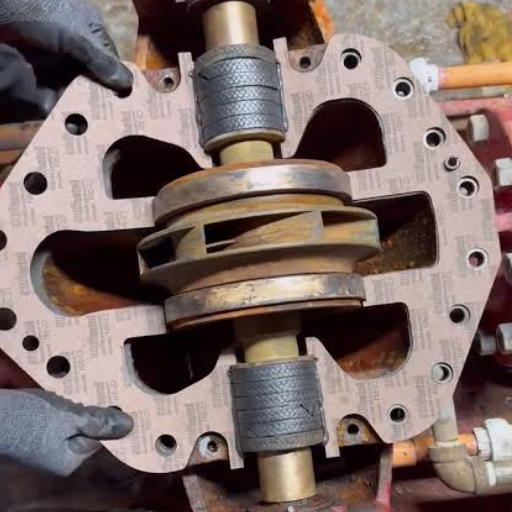
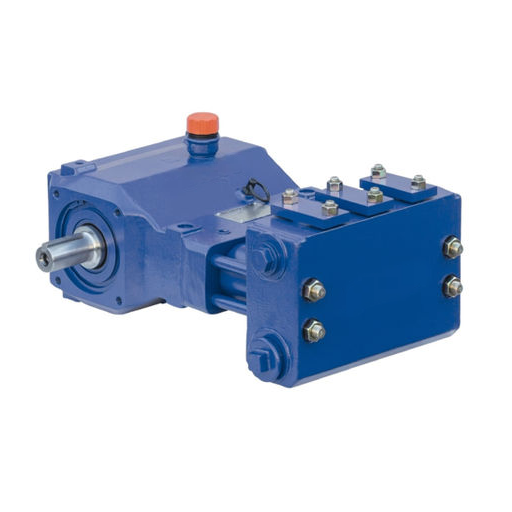
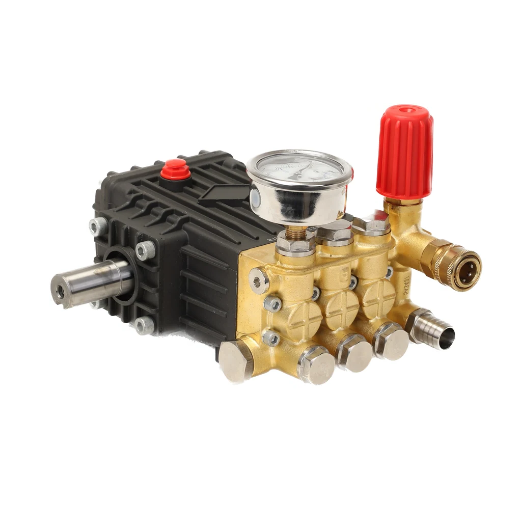
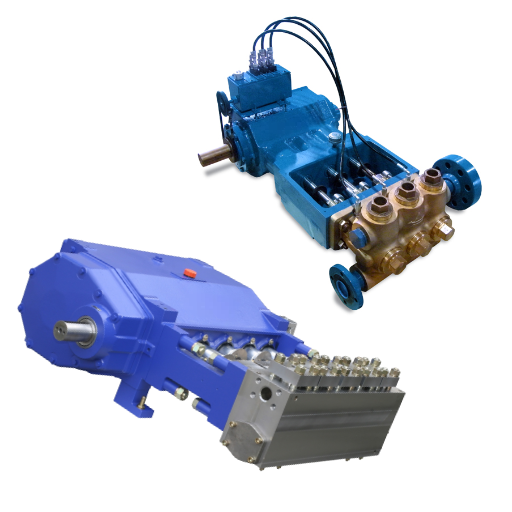
This is the same positive-displacement principle used in industrial piston pumps. The pump converts rotary motion from the motor into pressurized hydraulic flow, which is why its failure modes follow the same patterns as larger industrial units: contamination, seal wear, and mechanical seizure.
How the Pump Fits the Broader Hydraulic System
The ABS pump sits inside a combined assembly that technicians often call the ABS unit. The main components are:
- The pump motor: The electric motor that drives the piston pump.
- The hydraulic unit (HCU): Also called the hydraulic control unit, this is the aluminum block containing the pump, solenoid valves, and pressure sensor.
- The control module (ECU): The electronics that read wheel speed and command the valves and pump.
During ABS activation, solenoid valves release brake pressure into a low-pressure accumulator. The pump then returns that fluid to the wheel brakes to re-pressurize them, cycling rapidly to prevent wheel lock. The same pump supports traction control and stability control by building pressure without driver input. Our complete ABS hydraulic unit guide explains this architecture in more depth.
Why ABS Pumps Fail: Electrical, Mechanical, and Hydraulic Causes
ABS pump failure falls into three categories, and the DTC code usually points to one of them:
- Electrical failure: A worn pump motor with damaged brushes or an open winding, corroded connectors, a blown fuse, a failed relay, or low battery voltage.
- Mechanical failure: A seized motor, stuck brushes, or bearing wear that increases current draw.
- Hydraulic failure: Contaminated brake fluid, gummed-up pump pistons, leaking seals, or moisture ingress into the pump housing.
Understanding which category a code points to is the first step in avoiding the classic mistake of replacing a $900 module when the real fault is a $2 fuse.
To learn more information, please read our article on “How to Tell If ABS Pump or Wheel Speed Sensor Is Bad“.
Common ABS Pump Failure DTC Codes: Complete Reference Table
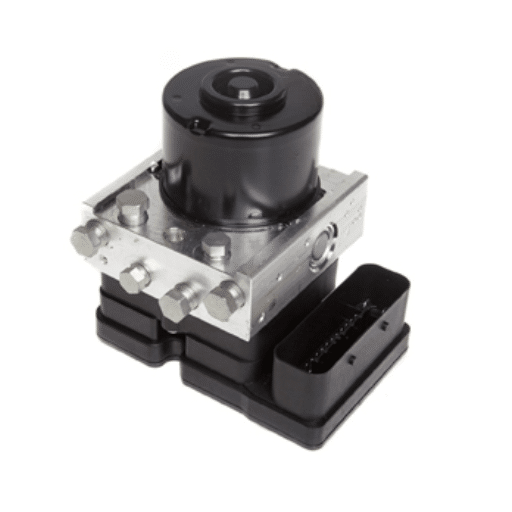
The following table covers the ABS DTC codes most frequently encountered in the field. These ABS fault codes point to the pump motor, relay, pressure circuit, or control module. Code definitions can vary by manufacturer, so always confirm the exact criteria in the vehicle service manual.
| Code | What It Indicates | Most Common Cause | Typical Fix |
|---|---|---|---|
| C0131 | ABS pump motor or pressure circuit malfunction | Faulty pump motor, wiring, or pressure sensor | Test motor circuit; repair wiring or replace motor |
| C0265 | ABS pump motor circuit fault | Motor, wiring, or module relay | Test winding and supply; replace motor |
| C0267 | ABS pump motor circuit open | Broken wiring or open motor winding | Continuity test; repair wiring or replace motor |
| C0268 | ABS pump motor circuit low voltage | Weak battery or high-resistance ground | Check voltage and grounds; repair |
| C0278 | ABS motor/solenoid valve relay circuit | Failed relay or corroded contacts | Test and replace relay; check wiring |
| C1095 | ABS hydraulic pump motor circuit failure | Motor or wiring failure | Test motor; replace pump motor |
| C0050 | ABS hydraulic pump motor circuit fault | Motor or wiring fault | Test circuit; repair |
| C0020 | ABS pump motor control fault | Motor control, wiring, or module | Activation test; replace motor or module |
| C1100 | ABS pump switch circuit failure | Pressure switch fault | Test switch; replace |
| C1253 | ABS pump motor relay failure | Relay fault | Test and replace relay |
| C0110 | ABS pump motor circuit failure | Motor or relay fault | Test circuit; replace motor |
| C2200 | ABS control module internal fault | Module electronics | Rebuild or replace module |
| C2402 | HECU motor fault (Hyundai/Kia) | Motor or relay; check recall status | Verify VIN recall; replace HECU |
| 01276 | Hydraulic ABS pump fault (VAG) | Pump motor, wiring, or fuse | Test pump; repair |
| U0121 | Lost communication with ABS module | CAN bus wiring or module power | Check communication circuit; repair |
Chassis C-Codes vs. Manufacturer-Specific Codes
Codes in the C0XXX range follow SAE chassis-system definitions, so the C0131 ABS code generally refers to the same circuit across most manufacturers. Manufacturer-specific codes such as C2402 on Hyundai/Kia vehicles or 01276 on VAG models carry make-specific meanings and test criteria. Treat the generic meaning as a starting point, then confirm the exact diagnostic procedure in the service manual for the specific vehicle.
Communication Codes (U0121)
Communication codes belong to a different family. U0121 means the ABS module is not communicating with the rest of the vehicle over the CAN network. The pump itself may be fine. Check module power and ground, inspect the network wiring, and only then suspect the module.
What Does the C0131 ABS Code Mean?
The C0131 ABS code indicates a malfunction in the ABS pump motor or pressure circuit. It sets when the module detects an open or shorted motor winding, a failed pressure sensor, or a wiring fault that stops the pump from building pressure. The most common causes are a faulty pump motor, damaged wiring, or a bad pressure sensor.
ABS Pump Failure Symptoms: What the Codes Tell You
A DTC code rarely appears without a corresponding symptom. Reading both together narrows the diagnosis faster.
Dashboard Warnings
The ABS warning light is the most common indicator, often accompanied by traction control or stability control lights. When all three illuminate together, the fault typically involves a component shared by those systems, such as the pump motor or the module.
Brake Pedal Behavior
- Hard pedal: Often indicates the pump cannot build pressure during ABS demand.
- Soft or spongy pedal: Can indicate contaminated fluid, air in the system, or an internal hydraulic leak.
- Pulsating pedal at low speed: A properly functioning ABS only pulses under heavy braking. Pulsation during normal driving points to a fault.
Noises and Mechanical Signs
Grinding, buzzing, or whining from the ABS unit area is a mechanical indicator of pump motor wear. A pump motor that runs continuously after key-off, or that fails to run at all during the self-test, points directly to the motor or its relay.
For a deeper look, see our article on ABS pump failure symptoms by vehicle make.
How to Diagnose ABS Pump Failure: Step-by-Step Procedure

The Silverado example at the start of this article illustrates the central rule of ABS diagnosis: verify the cheap causes before replacing expensive components. When you are working through an ABS pump failure DTC code, the procedure below is ordered to catch those causes first.
Step 1: Read the Codes With an ABS-Capable Scanner
A basic OBD-II scanner reads engine codes but often cannot read chassis C-codes. Here is how to read ABS codes correctly:
- Connect an ABS-capable scanner to the diagnostic port.
- Select the ABS or chassis system module.
- Read and record all current, pending, and history codes, plus freeze-frame data.
- Save the codes before clearing them.
Never clear the codes until you have written them down, because the freeze-frame data documents the conditions at the moment the fault occurred.
Step 2: Check the Cheap Stuff First
Start with the battery and the charging system. A healthy battery reads roughly 12.6 V at rest, and the charging system should produce 13.5 to 14.8 V with the engine running. Low voltage can generate pump circuit codes on its own.
Then inspect the ABS fuses, test the pump relay, and check the ground connections. Corroded grounds and blown fuses account for a meaningful share of ABS codes and cost little to fix.
Step 3: Test the Pump Motor Circuit
Measure the winding resistance at the motor connector. A healthy motor typically reads between 0.5 and 5 ohms. An open circuit above roughly 10 k ohms confirms a failed winding.
Then run the scan tool activation test to command the pump motor on and confirm it spins. On some systems, a motor drawing excessive current during activation indicates mechanical wear.
Step 4: Distinguish Electrical vs. Hydraulic Failure
This is the decision point that prevents wasted spend:
- Motor does not spin: Electrical or mechanical motor fault. Check the circuit, then the motor.
- Motor spins but no pressure: Hydraulic fault. The pump pistons may be gummed up, or seals may be leaking.
A motor that runs but fails to build pressure points to the hydraulic side, not the electronics. Replacing the module in that case would not fix the problem. Our step-by-step ABS hydraulic unit test guide details the full testing sequence. After any repair, use the scanner to clear the ABS codes and confirm they do not return during a test drive.
ABS Pump Repair vs. Replacement: A Decision Framework
When a Motor-Only Swap Works
On many Bosch and other units, the motor cylinder is a separable part. Swapping only the motor keeps the existing control board, which stays paired to the vehicle, so no recoding is required. If the hydraulic body stays sealed, brake bleeding may not be necessary.
When a BMW F800 GSA owner received a €1,200 quote for a complete ABS unit replacement, the actual fault was a failed pump motor. A compatible salvaged motor cost €67, the swap took a Torx set and sealant, and the original control board remained paired to the motorcycle. No recoding and no brake bleeding were needed.
Brush and Module Solder-Joint Repair
On some units, a stuck carbon brush or cracked solder joints inside the module cause the fault. Cleaning the brushes or re-soldering the joints can restore function at minimal cost. These repairs are common on VW/Audi and Jaguar applications, where the alternative is a full assembly replacement. For an honest view of the limits of these fixes, our guide to whether an ABS pump can be repaired separates the successful repairs from the wasted labor.
Hydraulic Pump Rebuild
If the motor spins but the pump builds no pressure, the hydraulic pistons may be gummed up or the seals leaking. A pump rebuild involves cleaning the pistons and replacing the seals. The O-ring between the motor and pump housing must be brake-fluid compatible, typically EPDM. Using the wrong material or size causes a leak and repeats the repair.
When to Replace the Full Assembly
Replacement is the right call when the motor is physically damaged, the unit is contaminated beyond cleaning, or the design does not allow component separation. Compare the full picture before ordering: our ABS pump repair vs. replacement guide and complete ABS pump replacement guide cover the decision in depth.
Hydraulic Maintenance Principles That Prevent ABS Pump Codes
The most preventable ABS pump failure DTC codes come from neglect of the hydraulic side of the system.
Brake Fluid Contamination and Moisture
Brake fluid absorbs moisture over time. Moisture lowers the boiling point, causes internal corrosion, and accelerates seal wear inside the pump. Contaminated fluid also damages the pump pistons, which is why the motor can spin while pressure fades.
Seal Material Compatibility
Not all seals are compatible with brake fluid. When rebuilding a pump, the seal material must be correct for the fluid type. An EPDM O-ring is the standard for most systems, and substituting the wrong material leads to leakage and a returning code.
Fluid Change Intervals
Follow the manufacturer-recommended brake fluid replacement interval. Many automakers specify a two-year or mileage-based schedule. Routine fluid changes reduce contamination-related codes more than any single repair. If you manage industrial equipment, the same discipline applies to hydraulic oil maintenance, where contamination is the leading cause of pump wear.
Commercial Vehicles and Fleets: ABS Code Considerations

FMCSA Requirements
Commercial vehicles in the United States must maintain functioning ABS. An illuminated ABS light or a stored pump code is a compliance issue, not just a maintenance item. Fleet operators should document every stored DTC and its resolution, because inspection records can be reviewed after an incident. The FMCSA commercial vehicle regulations define the ABS inspection requirements for interstate operations.
Sourcing Reliable Replacement Hydraulic Pumps
Fleet operators replacing ABS hydraulic units should compare OEM, remanufactured, and aftermarket options on quality control and warranty terms, not price alone. For procurement teams, our OEM vs. aftermarket ABS pump replacement guide outlines how to evaluate suppliers and avoid counterfeit or substandard components.
Safety Considerations and When to Stop Driving
When the ABS is disabled by a fault, conventional hydraulic braking usually continues to work. That is why drivers can often reach a shop with an ABS code stored. However, stopping distances increase on wet or slippery surfaces, wheel lock-up is possible under hard braking, and traction and stability control are disabled.
Stop driving immediately if both the ABS and the main brake warning lights are illuminated together, or if the brake pedal feels hard or low. Those signs indicate a possible loss of hydraulic braking function, not just a disabled ABS.
Also check for open recalls. Hyundai and Kia vehicles from roughly 2010 to 2019 have been subject to HECU fire-risk recalls, and NHTSA maintains a VIN lookup for open safety recalls. A recalled unit may be repaired at no cost, so confirm recall status before paying for a replacement.
Conclusion
ABS pump failure DTC codes are a starting point, not a verdict. The same code can be caused by a $2 fuse, a corroded ground, a worn motor, or a failed module, and the diagnosis procedure exists to find out which one it is.
The key takeaways are these:
- The ABS pump is a precision hydraulic component, and its codes point to electrical, mechanical, or hydraulic causes.
- Verify the cheap causes first: battery voltage, fuses, relays, and grounds.
- Distinguish electrical failure (motor does not spin) from hydraulic failure (motor spins, no pressure).
- Repair and rebuild options can cost a fraction of full replacement when the diagnosis is correct.
- Routine brake fluid maintenance prevents a large share of pump codes.
Before ordering parts, check the recall status, document the code, and work through the circuit tests in order. If you need a reliable replacement hydraulic pump or a technical recommendation for your specific application, request a specification sheet from our engineering team.
For procurement and repair guidance, contact our engineering team or request a technical specification sheet for your ABS hydraulic pump application.