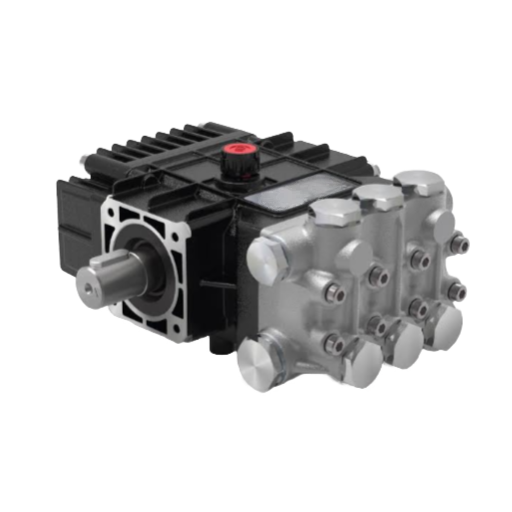
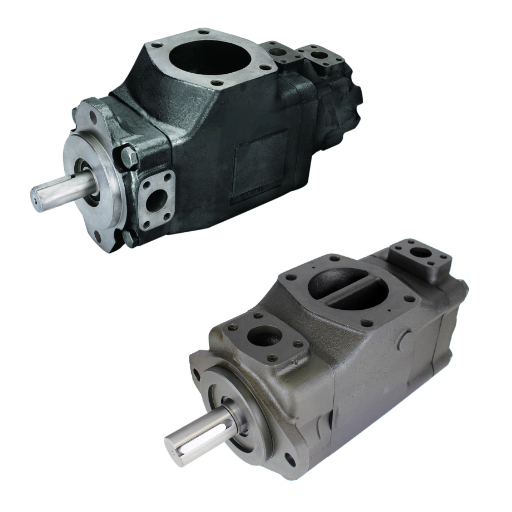
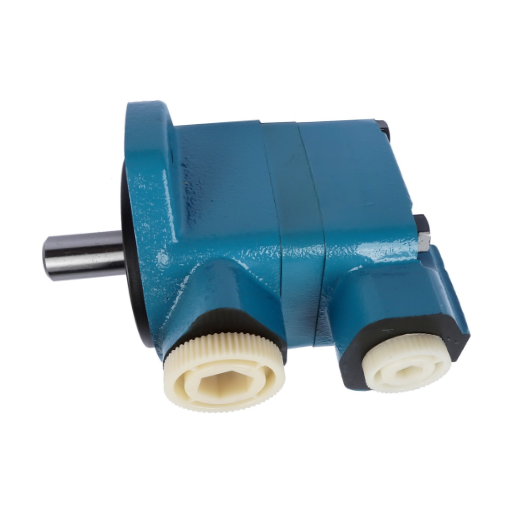
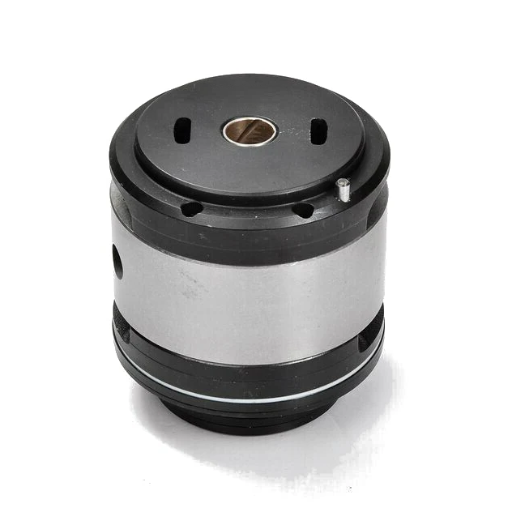
A buyer named Elena once sourced fifty 16 GPM pumps for a log splitter OEM line. She compared only headline flow and pressure ratings. Half the units arrived with 1/2″ NPT outlets when her manifold needed SAE O-ring ports. The bolt circle didn’t match her engine bracket either. The project lost three weeks to rework.
That mistake is common. A two stage hydraulic gear pump is more than a GPM and PSI number. Displacement, mounting flange, shaft type, port thread, rotation direction, and unloader pressure all determine whether the pump fits your system. Manufacturer datasheets also use different units and standards, which makes side-by-side comparison difficult.
In this guide, we’ll break down the specifications that actually matter. You’ll learn how a two-stage gear pump works, what each spec means, and how major manufacturer lines compare. By the end, you’ll be able to read a pump nameplate and select the right unit for your application.
Need more information about the 2 Stage Hydraulic Pump? You can read our 2 Stage Hydraulic Pump Complete Guide.
What Is a Two Stage Hydraulic Gear Pump?

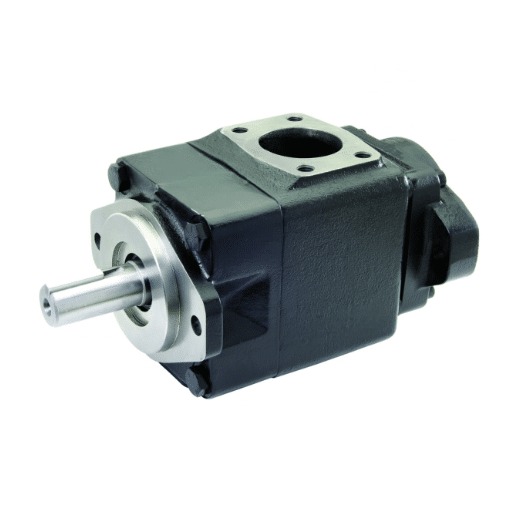
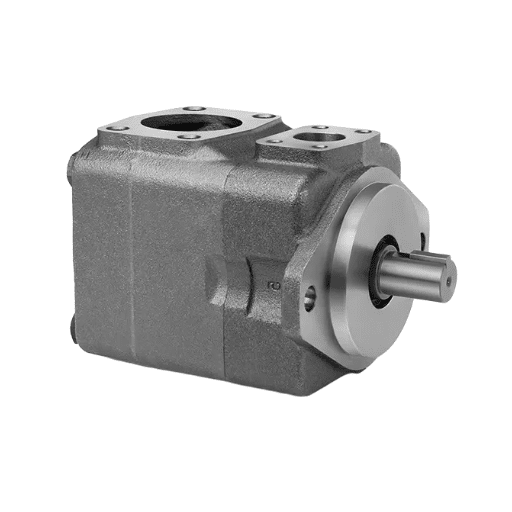
A two stage hydraulic gear pump combines two fixed-displacement gear sets in one housing. A large-displacement stage delivers high flow at low pressure. A small-displacement stage delivers low flow at high pressure. An internal unloader valve switches between the two stages automatically as system pressure changes.
Quick definition: A two-stage gear pump is a single unit that alternates between high-flow/low-pressure mode for fast actuator movement and low-flow/high-pressure mode for force-intensive work.
These pumps are also called hi-lo gear pumps, two-speed pumps, log splitter pumps, or dual-stage gear pumps. They’re widely used in log splitters, hydraulic presses, compactors, lifts, and clamps because they deliver both speed and force without requiring an oversized prime mover.
For a deeper explanation of the internal mechanics, see our guide on how a 2 stage hydraulic pump works. For a broader comparison against single-stage designs, read our two stage hydraulic pump vs single stage article.
How a Two Stage Gear Pump Works
Stage 1: High Flow, Low Pressure
When the actuator moves freely, system pressure stays low. Both gear stages deliver flow together. The combined displacement produces fast cylinder extension or retraction.
Automatic Transition at Unloader Pressure
Once resistance builds, pressure rises. When it reaches the preset transition point, commonly around 650 PSI, the unloader valve opens. Flow from the large stage bypasses internally. Only the small high-pressure stage continues to pressurize the system.
Stage 2: Low Flow, High Pressure
The small stage now drives the work stroke. Flow is lower, but pressure can climb to the pump’s maximum rating, typically 3,000 PSI. When the load drops, pressure falls, and the unloader valve closes. The large stage re-enters the circuit for fast return movement.
For a visual breakdown of the unloader valve, check valves, and flow paths, see our 2 stage hydraulic pump diagram guide.
Key Specifications to Compare
Flow Rate and Displacement
Headline GPM ratings are usually measured at 3,600 RPM. They represent the combined flow when both stages are active. The more useful number for system matching is per-stage displacement in cubic inches per revolution (in³/rev) or cubic centimeters per revolution (cc/rev).
Displacement lets you calculate flow at any operating speed:
GPM = (Displacement in³/rev × RPM) / 231
For example, a low-pressure stage with 0.776 in³/rev running at 3,600 RPM delivers roughly 12.1 GPM. The high-pressure stage with 0.258 in³/rev at the same speed delivers about 4.0 GPM. The headline “16 GPM” rating is the combined output.
Mini-story: A maintenance engineer named Patel needed to replace a two-stage pump on a press, but the nameplate was worn. He measured the old pump’s displacement by rotating the shaft and catching the outlet oil. The low stage displaced 0.647 in³ and the high stage 0.194 in³. That told him the unit was a 13 GPM class pump. He ordered the correct replacement on the first try instead of guessing from the outlet port size alone.
Pressure Ratings
Three pressure values matter:
- Maximum working pressure: the continuous pressure the pump can sustain, commonly 3,000 PSI (207 bar) for industrial two-stage gear pumps.
- Low-pressure stage limit: the pressure at which the large stage unloads, typically 400–900 PSI and often factory preset around 650 PSI.
- Peak/burst pressure: the short-term pressure the housing and seals can survive without failure, usually 20–30% above working pressure.
Always size system relief valves below the pump’s maximum working pressure to protect the unit.
Speed and Rotation
Most log-splitter style two-stage pumps are rated for 3,600 RPM and can run up to 4,000 RPM. Minimum speeds are usually 500 RPM. Below that, gear pumps may not prime reliably or may cavitate.
Rotation direction is fixed on most units. Verify whether the pump is clockwise (CW), counter-clockwise (CCW), or reversible before ordering. The shaft rotation arrow on the nameplate must match your engine or motor.
Mounting Flange and Shaft
Common mounting options include:
- 2-bolt flange: compact, common on smaller pumps and some imported units.
- 4-bolt flange: the standard for log splitters and mobile hydraulic pumps, typically with a ~2.83″ bolt circle.
- SAE A or SAE B flanges: standard industrial mounting patterns for direct coupling to engines and motors.
- European flange patterns: found on some OEM and industrial gear pumps.
Shaft types include keyed straight shafts, splined shafts, and tapered shafts. The most common log splitter configuration is a 1/2″ diameter keyed shaft with 1.5″ extension length.
Port Sizes and Configuration
Standard port configurations for log splitter pumps are:
- Inlet: 1″ NPT
- Outlet: 1/2″ NPT
Other thread types include BSPP (parallel British pipe thread) and SAE O-ring boss threads. Port orientation can be side, rear, or manifold-mounted. Always verify thread type and port spacing before selecting hoses and fittings.
Materials and Fluid Compatibility
Most two-stage gear pumps use an aluminum housing with cast iron or steel end plates. Aluminum keeps weight down. Cast iron or steel provides wear resistance at the gear contact faces.
Seal materials vary:
- Buna-N (Nitrile): standard for mineral oil, cost-effective, temperature range roughly -40°F to 212°F.
- Viton (FKM): better for synthetic fluids, higher temperatures, and some biodegradable hydraulic oils.
Hydraulic oil viscosity is typically specified in the 32–68 cSt range at operating temperature. Use AW32 for colder climates and AW46 for general industrial use.
Efficiency and Power Requirements
Volumetric efficiency for quality two-stage gear pumps typically falls between 85% and 93%. Mechanical efficiency adds losses from gear meshing and bearing friction. Overall efficiency determines the actual prime mover size.
The hydraulic horsepower formula is:
HP = (GPM × PSI) / 1714
Because the large stage unloads at high pressure, a two-stage pump reduces the required engine or motor size compared to a single-stage pump of the same peak capability. A 16 GPM two-stage log splitter pump typically runs well on an 8 HP gas engine, while a single-stage 16 GPM pump at the same pressure would demand roughly 30 HP.
Two Stage Hydraulic Gear Pump Specification Comparison

Concentric AB Hi/Lo Pumps (D-Series)
The Concentric AB D-series provides one of the most complete published displacement datasets for two-stage gear pumps. These units are commonly used in log splitters, compactors, and small presses.
| Model | Nominal Flow | Low-Stage Disp. | High-Stage Disp. | Max Pressure | Speed Range | Mounting |
|---|---|---|---|---|---|---|
| 1300483 | 5 GPM | 0.258 in³ | 0.065 in³ | 3,000 PSI | 500–4,000 RPM | 4-bolt |
| 1300484 | 7 GPM | 0.388 in³ | 0.065 in³ | 3,000 PSI | 500–4,000 RPM | 4-bolt |
| 1300485 | 9 GPM | 0.388 in³ | 0.194 in³ | 3,000 PSI | 500–4,000 RPM | 4-bolt |
| 1300486 | 13 GPM | 0.647 in³ | 0.194 in³ | 3,000 PSI | 500–4,000 RPM | 4-bolt |
| 1300487 | 16 GPM | 0.776 in³ | 0.258 in³ | 3,000 PSI | 500–4,000 RPM | 4-bolt |
| 1300488 | 22 GPM | 0.930 in³ | 0.465 in³ | 3,000 PSI | 500–4,000 RPM | 4-bolt |
| 1300489 | 28 GPM | 1.395 in³ | 0.465 in³ | 3,000 PSI | 500–4,000 RPM | 4-bolt |
All models in this series feature an adjustable unloader valve with a 400–900 PSI range and a 1/2″ keyed shaft. The displacement ratio between low-pressure and high-pressure stages is roughly 3:1, which is typical for balanced speed-and-force operation.
MTE Hydraulics Two Stage / Log Splitter Pumps
MTE Hydraulics manufactures two-stage pumps in 200 and 300 series gear pump designs. These units are built for direct coupling to gas engines or AC electric motors.
- Displacement range: high-pressure stage 1.81–6.68 cc/rev (0.110–0.408 in³/rev); low-pressure stage 3.14–16.00 cc/rev (0.192–0.976 in³/rev)
- Nominal working pressure: up to 3,500 PSI
- Maximum pressure: up to 3,800 PSI
- Speed: up to 3,800 RPM nominal, 4,000 RPM maximum
- Applications: log splitters, trash compactors, press applications
MTE pumps offer a slightly higher pressure ceiling than some competitors, which can be useful for presses and compactors that operate closer to 3,000 PSI continuously.
Chief Two-Stage Hydraulic Pumps
Chief two-stage pumps are widely stocked in North America and are a common reference point for log splitter builders.
| Model | Nominal Flow | Max Pressure | Shaft | Mounting | Input HP |
|---|---|---|---|---|---|
| Chief 9 GPM | ~9 GPM | 3,045 PSI | 1/2″ keyed | 4-bolt | ~5 HP |
| Chief 11 GPM | ~11 GPM | 3,045 PSI | 1/2″ keyed | 4-bolt | ~6 HP |
| Chief 16 GPM | ~16 GPM | 3,045 PSI | 1/2″ keyed | 4-bolt | ~8 HP |
Chief pumps use a 1″ NPT inlet and 1/2″ NPT outlet. The unloader is typically preset near 650 PSI. These specifications make Chief units directly comparable to Concentric and Chinese CBNA/CBN equivalents in the same GPM classes.
RuggedMade Two-Stage Log Splitter Pumps
RuggedMade focuses on log splitter applications. Their two-stage pumps are sold by nominal GPM and are commonly paired with small gas engines.
| Model | Nominal Flow | Max Pressure | Shaft | Ports | Application Range |
|---|---|---|---|---|---|
| 11 GPM | 11 GPM @ 3,600 RPM | 3,000 PSI | 1/2″ × 1.5″ keyed | 1″ NPT / 1/2″ NPT | Light residential |
| 13 GPM | 13 GPM @ 3,600 RPM | 3,000 PSI | 1/2″ × 1.5″ keyed | 1″ NPT / 1/2″ NPT | Residential/prosumer |
| 16 GPM | 16 GPM @ 3,600 RPM | 3,000 PSI | 1/2″ × 1.5″ keyed | 1″ NPT / 1/2″ NPT | 5–35 ton log splitters |
| 22 GPM | 22 GPM @ 3,600 RPM | 3,000 PSI | 1/2″ × 1.5″ keyed | 1″ NPT / 1/2″ NPT | Commercial splitters |
RuggedMade pumps rotate clockwise and require a minimum 8 HP gas engine for the 16 GPM model. These units are functionally similar to CBNA/CBN-style pumps sourced from global manufacturers.
Chinese OEM / CBNA-CBN Series Equivalents
Chinese CBNA and CBN series two-stage gear pumps are widely used in global OEM supply chains. They follow the same displacement pattern as Concentric and Chief units and are often interchangeable in mounting, shaft, and port configuration.
| Size | Low-Stage Disp. | High-Stage Disp. | Max Pressure | Typical Application |
|---|---|---|---|---|
| 11 GPM | ~0.517 in³ | ~0.194 in³ | 3,000 PSI | Light log splitters |
| 13 GPM | ~0.647 in³ | ~0.194 in³ | 3,000 PSI | Residential splitters |
| 16 GPM | ~0.776 in³ | ~0.258 in³ | 3,000 PSI | 5–35 ton splitters |
| 22 GPM | ~0.930 in³ | ~0.465 in³ | 3,000 PSI | Commercial splitters |
| 28 GPM | ~1.395 in³ | ~0.465 in³ | 3,000 PSI | Heavy commercial splitters |
These pumps typically use an aluminum hi-lo section with cast steel end plates, a 4-bolt flange, and a 1/2″ keyed shaft. Quality varies by manufacturer, so procurement engineers should verify pressure testing, material certifications, and dimensional tolerances before placing volume orders.
How to Read a Two Stage Gear Pump Nameplate

A typical nameplate contains the following information:
- Model number: identifies the displacement series and sometimes the rotation direction.
- Flow rating: nominal GPM at rated speed, often 3,600 RPM.
- Pressure rating: maximum working pressure in PSI or bar.
- Speed rating: rated and maximum RPM.
- Rotation arrow: shows clockwise or counterclockwise shaft rotation.
- Port sizes: inlet and outlet thread type and diameter.
- Mounting code: indicates flange pattern and shaft type.
If a nameplate is missing or worn, measure displacement manually or check the manufacturer’s catalog by shaft diameter, flange bolt circle, and port spacing.
Two Stage Hydraulic Gear Pump Selection Guide
Selecting the right two stage hydraulic gear pump requires matching the pump to the actuator, power source, and plumbing. Follow this sequence:
- Match pump GPM to actuator speed requirement: calculate the cylinder volume and the desired extend/retract time, then work backward to required flow.
- Verify system pressure rating: the pump’s maximum working pressure must exceed the relief valve setting by a safety margin.
- Check mounting and shaft compatibility: match flange pattern, shaft diameter, and rotation to the engine or motor.
- Confirm port size and thread type: verify NPT, BSPP, or SAE O-ring threads and port orientation.
- Select rotation direction: order CW or CCW based on the prime mover rotation.
- Size the prime mover: use the hydraulic horsepower formula and add a 15–25% margin for mechanical losses and engine derating.
For a step-by-step sizing method, see our hydraulic pump sizing guide.
| Application | Recommended Pump Size | Minimum Engine HP | Typical Use |
|---|---|---|---|
| Light residential log splitter | 11 GPM | 5.5–6.5 HP | 10–15 ton splitter |
| Standard residential/prosumer splitter | 13–16 GPM | 8+ HP | 20–30 ton splitter |
| Commercial log splitter | 22 GPM | 9–13 HP | 30+ ton splitter |
| Hydraulic press or compactor | 16–22 GPM | 8–13 HP | Cyclic pressing force |
| Industrial lift or clamp | 9–16 GPM | 5–10 HP | Fast approach, holding force |
Maintenance and Installation Practices

Mounting Alignment and Coupling Selection
Misalignment between the pump shaft and the engine or motor shaft causes premature bearing wear and seal failure. Use a flexible coupling and verify angular and parallel alignment within the coupling manufacturer’s limits.
Inlet Line Sizing and Suction Conditions
The inlet line should be large enough to prevent cavitation. A common rule is to size the inlet hose one size larger than the inlet port. For a 1″ NPT inlet, use a 1.25″ or 1.5″ suction hose if the run is long. Keep the reservoir above the pump inlet when possible.
Filtration Requirements
Most manufacturers recommend 25 micron or finer filtration on the pressure side and a clean reservoir breather. Contamination is a leading cause of gear pump wear, especially in the tight clearances of the high-pressure stage.
Hydraulic Fluid Selection
Use an AW-grade hydraulic oil with viscosity matched to the operating temperature range. AW32 is common for cold climates. AW46 is standard for general industrial use. Always check seal compatibility if using synthetic or biodegradable fluids.
Transition Pressure Verification
After installation, cycle the system and verify that the pump transitions from high-flow to high-pressure mode at the expected pressure. If the transition occurs too early, the actuator will slow before it should. If it occurs too late, the system may overheat, or the engine may stall.
Routine Inspection Points
- Check oil level and condition weekly during heavy use.
- Inspect suction line fittings for leaks monthly.
- Monitor pump noise and vibration; cavitation sounds like a high-pitched whine.
- Replace filters according to the service interval or pressure drop indicator.
Frequently Asked Questions
What is the difference between a two stage gear pump and a single stage gear pump?
A single-stage gear pump has one fixed-displacement gear set and delivers the same flow per revolution at all pressures. A two-stage gear pump has two gear sets and automatically switches between high-flow/low-pressure and low-flow/high-pressure modes.
What does GPM mean on a two stage hydraulic pump?
GPM stands for gallons per minute. On a two-stage pump, the headline GPM is usually the combined flow of both stages at rated speed, measured during the low-pressure approach phase.
What is the transition pressure on a two stage pump?
Transition pressure, also called unloader pressure, is the system pressure at which the pump switches from the large low-pressure stage to the small high-pressure stage. It is commonly preset around 650 PSI.
Can a two stage gear pump run continuously at maximum pressure?
Two-stage gear pumps are designed for cyclic duty, not continuous high-pressure operation. Running continuously at maximum pressure generates heat and accelerates wear. For continuous high-pressure duty, consider a piston pump.
What size engine do I need for a 16 GPM two stage pump?
A 16 GPM two-stage log splitter pump typically requires a minimum 8 HP gas engine. Use the hydraulic horsepower formula to verify based on your actual flow and pressure requirements.
Are Chinese CBNA/CBN two stage pumps interchangeable with Concentric or Chief pumps?
Many CBNA/CBN pumps share the same displacement pattern, mounting flange, shaft, and port configuration as Concentric and Chief units. Always verify dimensional drawings and quality certifications before assuming interchangeability.
How do I identify the rotation direction of a two stage gear pump?
The nameplate or pump body usually has a rotation arrow. When viewed from the shaft end, the arrow shows whether the shaft rotates clockwise or counterclockwise.
What port size is standard on the log splitter two stage pumps?
The most common configuration is a 1″ NPT inlet and a 1/2″ NPT outlet. Some industrial models use BSPP or SAE O-ring ports.
Conclusion
A two stage hydraulic gear pump delivers speed and force from a single compact unit, but only if you select it against the right specifications. Headline GPM and PSI are starting points. Displacement, mounting flange, shaft type, port thread, rotation direction, and unloader pressure determine whether the pump will install cleanly and perform reliably.
Use manufacturer spec tables to compare equivalent models across Concentric, MTE, Chief, RuggedMade, and Chinese CBNA/CBN series. Convert displacement to flow at your operating speed. Match the mounting, ports, and prime mover to your system. With these checks in place, you’ll reduce rework, avoid downtime, and get the full benefit of the two stage hydraulic gear pump design.
Ready to source the right two-stage pump? Request a technical specification sheet or OEM quotation from LOYAL INDUSTRIAL PTE. LTD.