If you suspect water in hydraulic oil, check the fluid and test results, stop more water from getting in, and choose a response that fits the oil and water state. Use the limits set for your machine and fluid to judge the result.
A milky sight glass after a top-up leaves questions. Was the transfer gear wet? Did air enter during hose work? Could old fluid in the circuit explain why the problem came back?
Guessing can lead to another oil change while the entry path stays open. This guide links the evidence to action: what to test, where to look, which process to consider, and how to close the job. Before taking a deciding sample, use the guide for representative hydraulic oil sampling.
Key Takeaways
- Looks are a clue; they cannot prove water content or oil fitness.
- Record fluid identity, test method, units, and temperature before comparing results.
- Repair the entry path and match treatment to both water state and oil condition.
- Close the job using agreed limits and matched follow-up tests, not a clear sight glass.
Confirm water in hydraulic oil before choosing a treatment
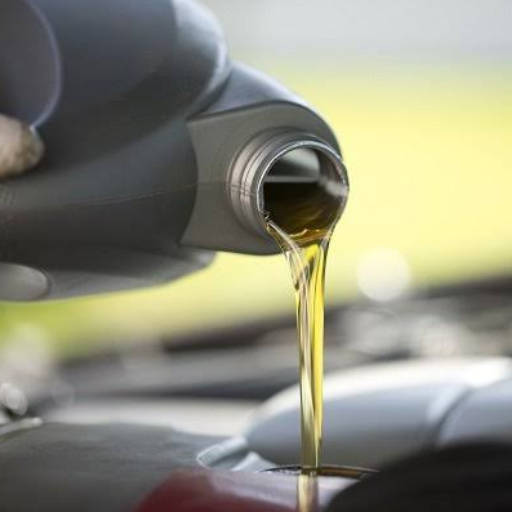
Clear oil can hold dissolved water. Cloudy oil may hold water droplets, air, or dirt. Start with what you know: what changed, which oil the machine needs, and what work took place before the change.
Separate clues from confirming evidence
Water may dissolve in the oil, form an emulsion of fine droplets, or separate as free water. More than one state can be present. A jar cannot tell you the full amount or prove that a process will remove it. Note what you see, then test the finding.
| Observation | Possible explanation | Evidence to seek |
|---|---|---|
| Cloudiness after hose work | Air, water, or contamination introduced during service | Service history and a suitable laboratory water test |
| Separate liquid in an approved low-point sample | A separated phase requiring identification | Clearly labeled diagnostic sample and fluid analysis |
| Clear sample with a moisture alarm | Dissolved water or a measurement issue | Method, temperature, sensor checks, and a comparable sample |
| New color after a top-up | Wrong fluid, mixing, or contamination | Oil container identity, transfer record, and laboratory advice |
Illustrative scenario: A technician sees cloudy oil after a hose change. The handover notes which ports were open and which can supplied the top-up. The team asks for a water test and keeps air on its list of possible causes. The test, rather than the cloudy look, will guide the next choice.
Ask what the test measures
A lab can use Karl Fischer titration to measure water in oil. Ask it to choose a method that suits the fluid and explain the units. A relative-saturation sensor shows how close the oil is to holding all the dissolved water it can at those conditions. These tests answer different questions.
HYDAC’s water-in-fluid guide sets these methods apart from visual checks and the crackle screen. A negative screen cannot rule out dissolved water. Do not improvise a hot-plate test in the workshop or use a screen alone to accept the oil.
Keep diagnostic samples separate from trend samples
A tank low-point sample may help check a separated layer. Keep it apart from the routine sample taken at the approved flowing-oil point. Label where and why each was taken. Water-rich oil from one low point may answer a local question; it is not the same as a routine trend sample.
Record the machine, oil, sample point, running or stopped state, recent top-ups, and time. Follow the safe sampling procedure. Do not start a machine with known water entry just to get a flowing sample. Ask the person in charge how to gather evidence without spreading the problem.
Keep the first notes with the report. A photo can show what the oil looked like. It cannot replace a water test or prove where the change came from. Ask the lab how to store and send the samples so handling does not cast doubt on the result.
Judge the finding against the actual fluid and machine
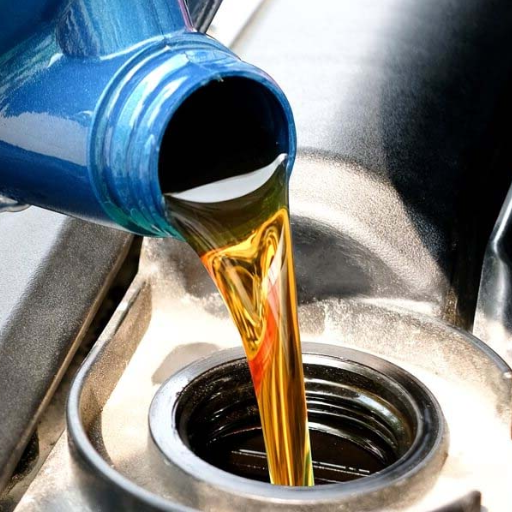
Check the fluid type before using mineral-oil advice. Some hydraulic fluids contain water by design and need that water kept in the right range. Drying them could put them outside their specification. Find the named product the machine needs and check what was added, including oil passed through shared hoses.
Keep units and temperature attached
Parts per million by weight (ppmw) compares the mass of water with the mass of oil. Percent saturation shows how close the oil is to holding all the dissolved water it can at those conditions. Keep the unit with the number. A ppm result and a saturation reading are not the same scale.
Pall’s water-content explanation gives a useful illustration. Its example hydraulic fluid contains 200 ppmw at both temperatures. At 15 °C it is about 80% saturated; at 50 °C it is about 40% saturated. Warming changed the saturation reading without removing water.
Those figures describe Pall’s example fluid. They are not a sensor setup curve or a safe limit for your machine. Oil type, age, and temperature affect what the result means. A lower warm reading alone does not prove water was removed.
Agree on the acceptance basis
Use the rules for your machine and oil, with lab advice if needed. A ppm number from the internet cannot decide whether to stop, treat, or reuse an unknown fluid. Water can harm the oil film and promote rust. No visible droplets do not mean the oil is fit for use.
When reports disagree, check the methods and units before deciding whether the water level rose or fell. Keep the test conditions with each result. Ask which limit applies and who can approve the next action. The site’s oil analysis report guide explains how to read water results alongside viscosity, particles, and the rest of the oil-condition evidence.
Trace entry paths using timing and system evidence
What changed just before the result changed? Build a short timeline: rain, washdown, open ports, oil deliveries, top-ups, and cooler use. This helps choose where to look; it does not prove which part failed. Include times when the machine was stopped as well as when it ran.
Check access and handling first
Check fill caps, covers, open ports, and their seals using the approved work procedure. Look for ports left open during repairs and places where water can pool around a cover. Did rain enter an open tank before startup? Report that known event before anyone runs the machine or spreads the wet oil.
Trace stored oil and the gear used to move it. Check labels, lids, storage exposure, shared hoses, and the oil last used in a transfer cart. A can that looks clean may still hold the wrong oil or water. Keep its batch details with the top-up record for the team to review.
| Timing or finding | Entry hypothesis | Check to assign |
|---|---|---|
| Change after rain or washdown | Water crossed an opening or damaged seal | Inspect access protection and the work record |
| Change after top-up or service | Wet transfer gear, wrong oil, or an exposed circuit | Trace the container and transfer route |
| Recurrence while a cooler operates | An internal heat-exchanger leak may be present | Have qualified personnel assess and test that circuit |
| Change across storage or temperature cycles | Moist air exchange or retained contamination | Review breather condition, exposure, and prior treatment scope |
Treat component names as hypotheses
Breathers let air enter as the oil level in a tank changes. Check the fitted unit, its service indicator, and its records when moist air is a possible source. Does its type suit the exposure? A breather that controls incoming moisture does not by itself dry wet oil already in the circuit.
A water-cooled heat exchanger is another place to check. Its presence does not prove a leak. Ask the team in charge to review the circuit and use the approved test before ordering a cooler or calling it sound. Use the same rule for seals: a possible path needs evidence.
Illustrative scenario: Cloudiness returns after treatment. The team checks when it came back against washdown, top-up, and running records before blaming the cooler. It assigns checks to the paths that fit the timing. The check results will decide which path needs corrective work.
Make the investigation usable at handover
Write down what you saw, then list the possible cause in a separate field. Name who will do the next check and what would support or weaken that idea. Leave the path open until it has been checked. A list of possible sources is not a list of proven faults.
For broader handling practices, see hydraulic pump oil maintenance. Here, the immediate purpose is narrower: establish how entry will be stopped and what evidence supports that conclusion before choosing the cleanup scope.
Choose a response for water in hydraulic oil
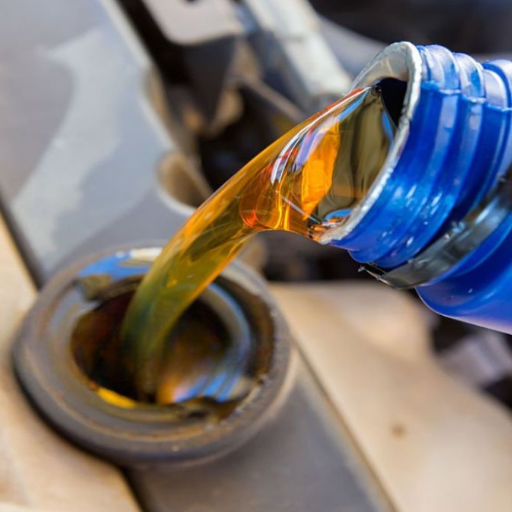
Taking water out does not make worn-out oil new. First decide whether the oil is fit to recover. Then match the process to the water state, amount, oil type, and machine needs. A micron rating measures particle-filter performance; it cannot tell you which unit will remove water.
Match the method to the problem
The water-removal comparison in Donaldson’s Hydraulic Filtration reference, printed page 14, distinguishes treatment technologies. The following table is a selection aid, not a guarantee for any particular product.
| Response | Where it may help | What still needs checking |
|---|---|---|
| Approved low-point drainage | Accessible separated free water | Does not prove dissolved or emulsified water is removed; follow the machine procedure |
| Water-absorbing element | A limited free-water burden within the element’s rating | Capacity, compatibility, differential pressure, and replacement point |
| Coalescing separator | Dispersed droplets that the system can combine and separate | Fluid water-separation behavior, viscosity, flow, and emulsion stability |
| Vacuum dehydration | Free, emulsified, and dissolved water with suitable equipment | Fluid compatibility, operating temperature, vacuum conditions, and verified endpoint |
| Oil replacement with an approved cleaning plan | Oil unsuitable for continued service or contamination needing a broader response | Retained fluid, cleaning scope, compatible refill, and final verification |
A water-absorbing element can hold only a limited amount. Check the expected water load and the maker’s service indicator. A particle element may have no water-absorbing layer at all.
A coalescer joins droplets so they can separate; do not assume it can break every stable emulsion. Ask for evidence for your oil and conditions.
Vacuum dehydration uses lower pressure to help remove water, with results that depend on the unit and oil conditions. Dry oil can still have damaged additives, oxidation, or mixed-fluid problems. Test the oil’s fitness as a separate question. Ask what the process can remove and what it leaves behind.
Ask for a documented operating envelope
Give the unit supplier the exact oil name, viscosity at the planned treatment temperature, tank and circuit details, and water results. State the temperature range. Is the water separated, emulsified, dissolved, or in more than one state? If you cannot tell, ask which test would help the supplier choose a process.
Ask how to connect the unit and keep dirt and water out during setup. Check that the unit suits the oil and stays within its working limits. How will you measure the endpoint? A stated number of tank turnovers does not prove that all parts of the circuit reached the target.
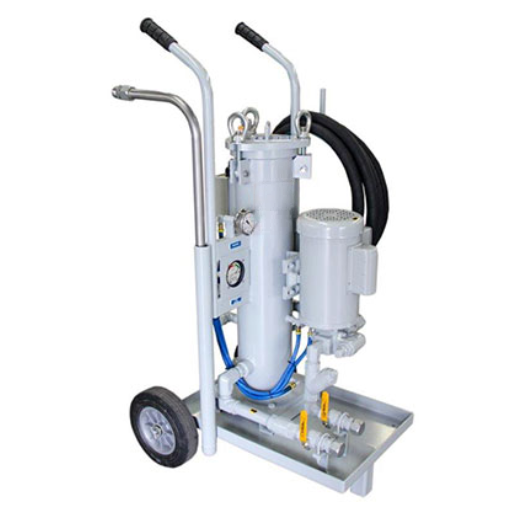
Use the guide to filter carts and kidney loops to compare offline arrangements, then request documented water-removal suitability. A cart built for particles may need a different process for water. Neither its flow rating nor one clear outlet sample can prove full-system recovery. Agree where to sample and what result will count before the job starts.
Decide when recovery is insufficient
The MTS Hydraulic Fluid Care Guide connects water response with leakage correction and overall fluid condition. Its limits apply to its stated servohydraulic use. Follow the whole-system principle, but do not copy its numbers to a different machine.
If tests show poor oil condition or a mixed fluid, ask the engineer in charge and oil supplier whether to replace the oil and clean the system. Name the approved refill and work scope before draining. Do not add solvents, use substitute oils, or improvise a heating method to save a step.
A tank drain can leave oil in hoses, cylinders, coolers, and connected tools. Include that old fluid when planning a change. Use the machine-approved procedure to deal with it. Draining the tank again, without knowing what remains or how water entered, cannot prove the source or water load is resolved.
Do not use a water result alone to diagnose pump damage. It does not identify a failed pump or prove that parts must be replaced. Keep the pump check and oil-response plan linked by evidence, not by an assumed cause.
Verify the response and prevent the next ingress event
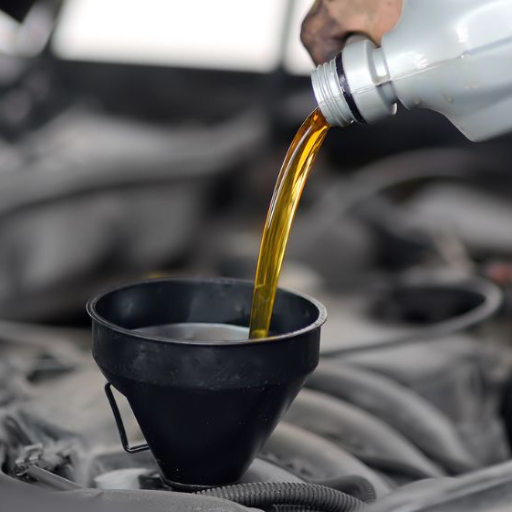
Clear oil in the sight glass does not close the job. Before work starts, agree on the tests, who will review them, and how to check for a return of water. Set the timing from the machine’s needs and exposure history. Do not use one fixed interval for every machine.
Keep a comparable before-and-after record
Keep the first sample details, test results, entry checks, and approved work scope. Log which oil was added or removed, which unit was used, and the conditions during the work. This lets the next shift see what changed, not just that someone did the job.
Take the follow-up sample from the agreed point with the machine in the agreed state. Label any extra low-point sample on its own. Compare like methods and units; keep temperature with saturation readings. A new sample point or warmer oil can cast doubt on what looks like a gain.
Illustrative scenario: A warm sensor reading falls after a shift. The team checks the earlier temperature record and plans the agreed cold-condition follow-up. It does not claim that water was removed just because the reading fell. The job stays open until the agreed evidence is reviewed.
Use a closure sheet with named fields: machine and oil; first test method, units, and result; entry evidence; repair; treatment scope; matched follow-up test; limit; and reviewer’s decision. If a field cannot be closed, write why and name the next action. Do not leave an empty box that the next shift could mistake for approval.
Check water and particles separately
ISO 4406 cleanliness codes describe particle counts, not water content. A better particle code does not prove the water is under control. Check both where required. Review viscosity and other oil findings that matter to this event too.
If the water result still fails the agreed limit, ask three questions. Did more water enter? Did the process suit the water state? Did it reach the full planned circuit scope?
Check the evidence before ordering more passes or another oil change. A work log alone cannot show that the oil passed.
Protect the repaired system
Refit covers and caps, protect stored oil, and keep dedicated transfer gear clean. Check the breather using its own service rules and the site’s exposure conditions. Record how the proven entry path was fixed so the next shift knows what changed.
Close the job only when the oil and machine meet the agreed rules and the entry response is on record. If follow-up is still open, name the owner and what the reviewer still needs to see before signing off.
Questions about water-contaminated hydraulic oil
Does milky oil always mean water?
No. Milky or cloudy oil may hold water droplets, trapped air, or dirt. Looks can tell you to check the oil, but they cannot prove the cause or water level. Note recent work and top-ups, check which fluid is present, and use a suitable water test before choosing what to do.
Can clear oil still contain water?
Yes, water can stay dissolved with no cloudy look or separate layer. How much the oil can hold depends on its type and conditions, including temperature. A clear sample does not prove that oil is dry or fit for use. Check it with the test and limits set for your machine.
Will a normal hydraulic filter remove water?
A micron or beta rating does not prove that a filter removes water. Absorbent media, coalescers, and dehydrators do different jobs and have different limits. Check the exact unit’s manual against the water state and oil. A cart that removes particles may leave dissolved water in the fluid.
Why does the oil become cloudy again after a change?
Water may still be entering, the refill gear may be wet, or old fluid may remain elsewhere in the circuit. Air is another possible cause. The cloudy look cannot tell you which is true. Check when it returned against the work record, water test, and trace the likely paths before another change.
Can oil be reused after water removal?
It may be reused if it meets the rules for the fluid and machine. Taking water out does not prove good viscosity, sound additives, or freedom from mixed oils and oxidation. Ask the reviewer to check the wider oil analysis and matched follow-up tests before accepting reuse. There is no rule that fits every oil.
Next action
For water in hydraulic oil, let the evidence guide the next step. Use the oil analysis report guide to prepare the findings for the person in charge. Agree on how to stop entry, treat the oil, and check the results for this machine. Keep those actions in the job record.